Childcare
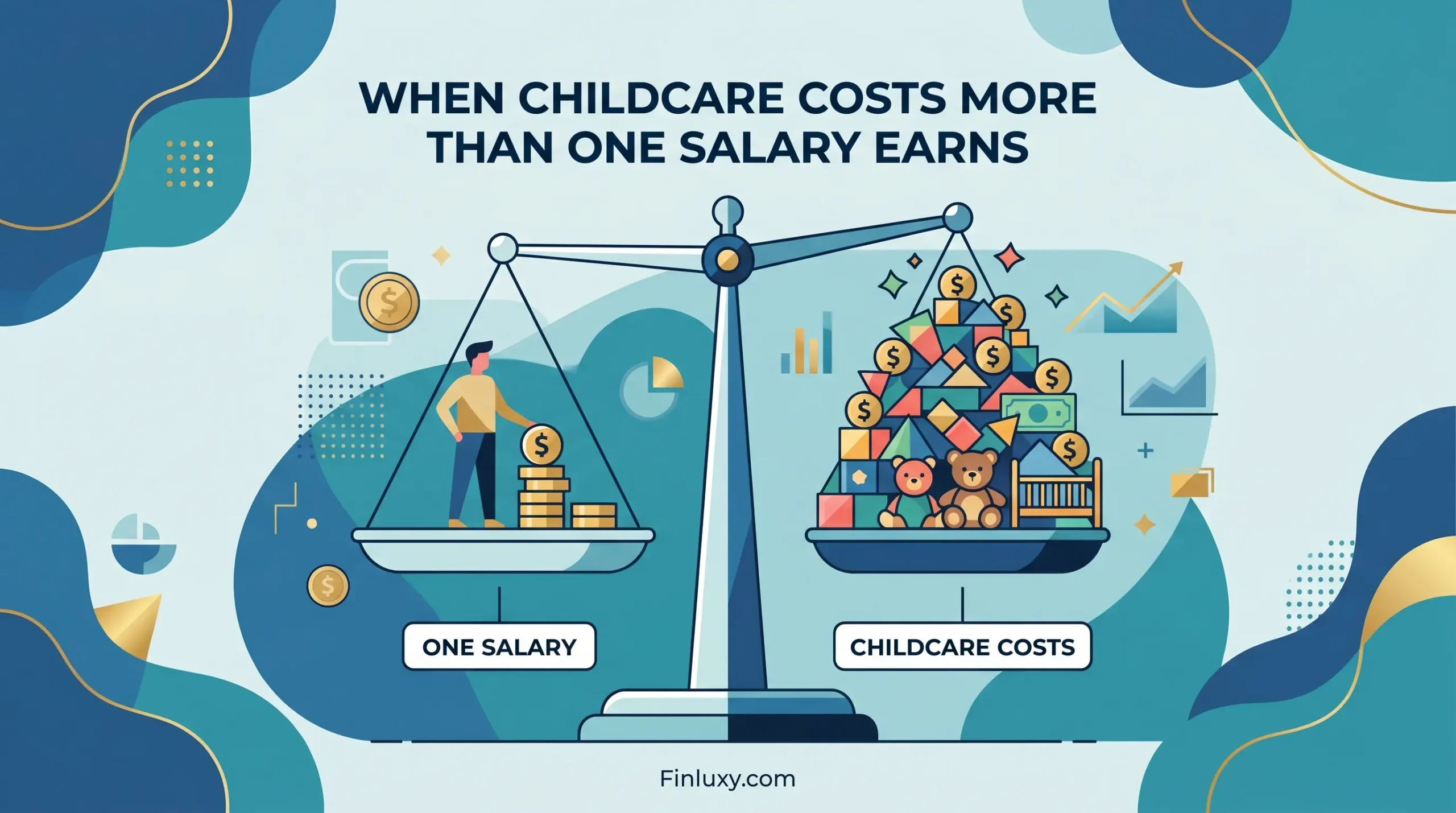
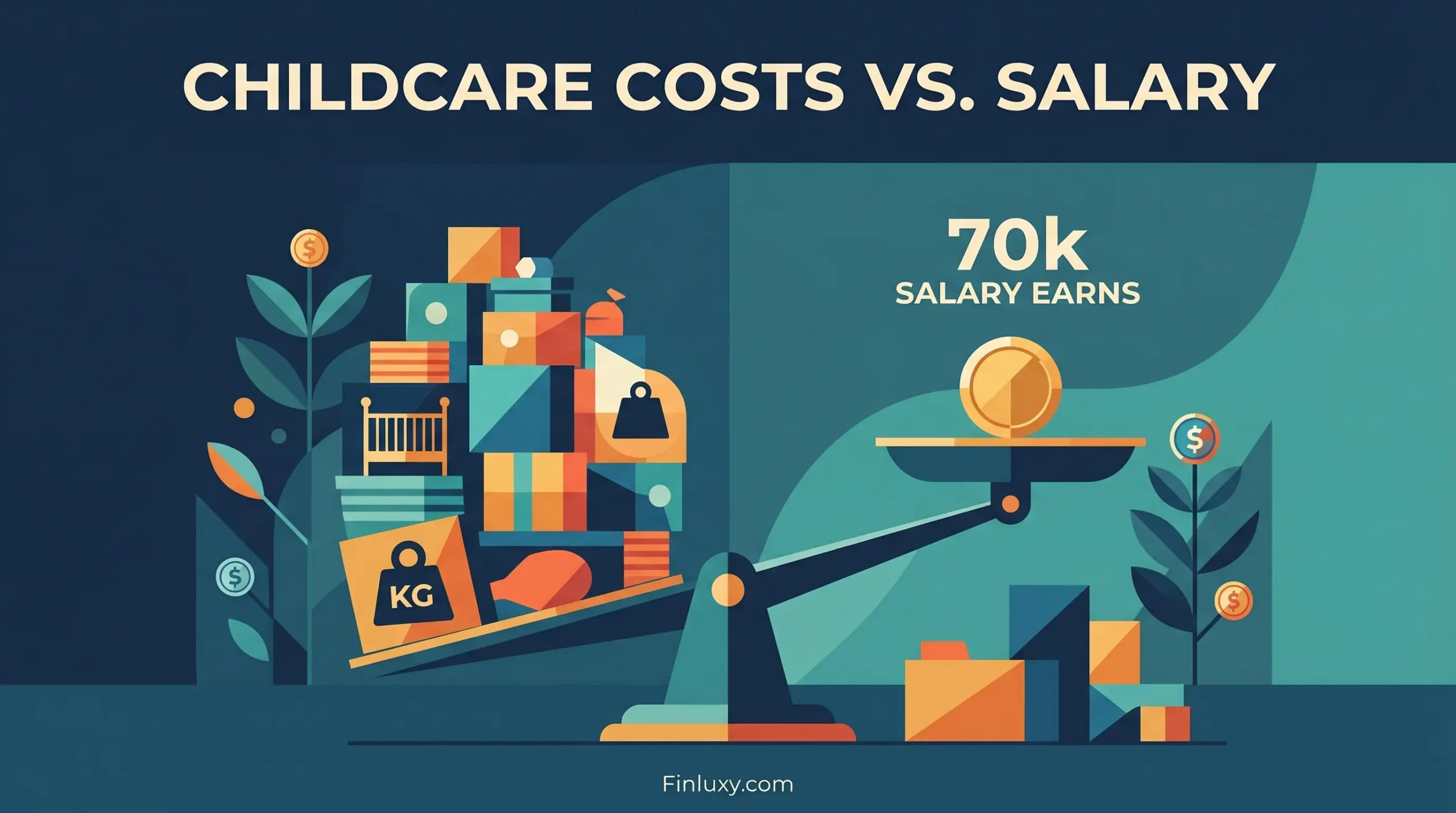
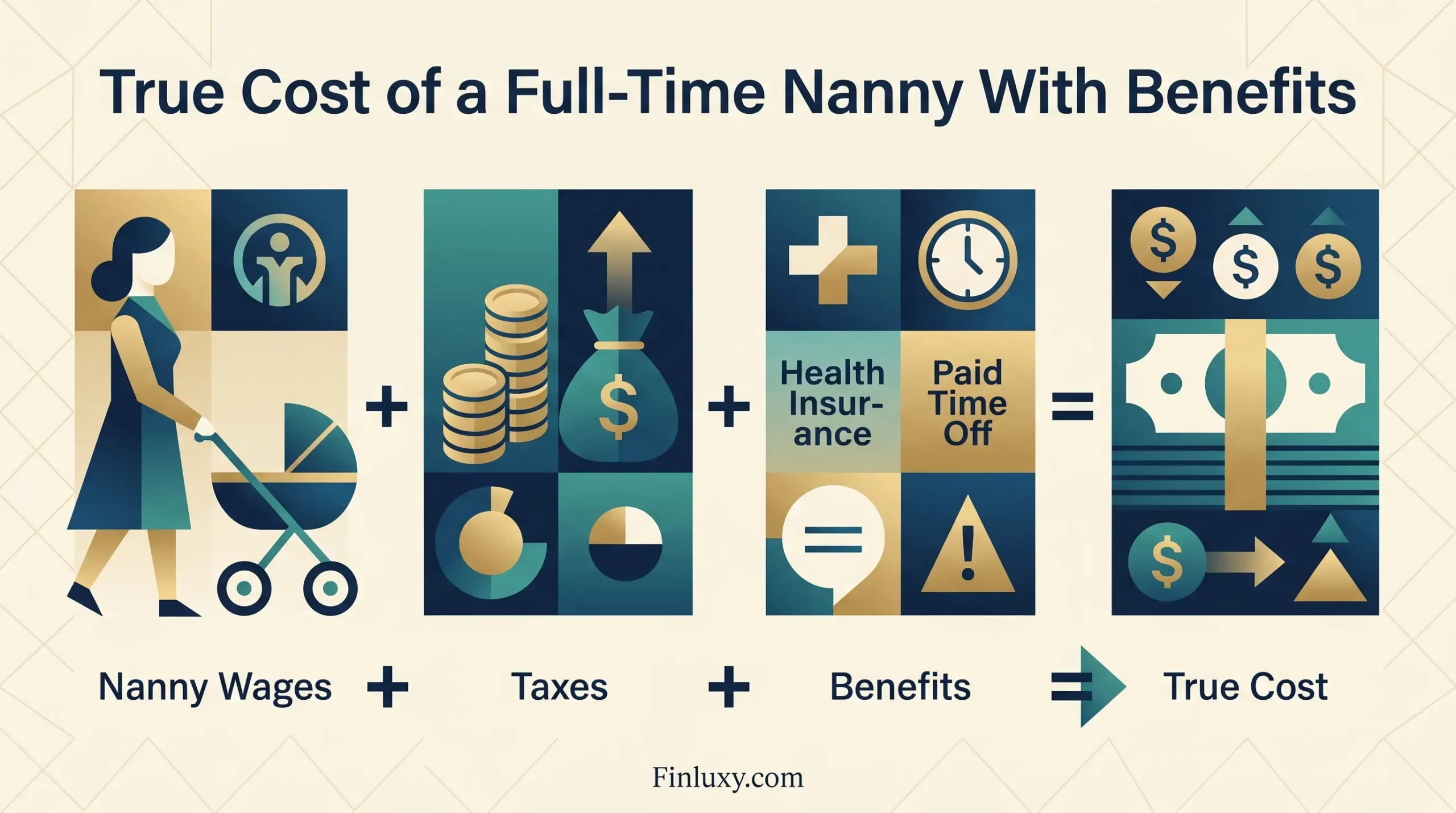
Childcare for high-income families is expensive in ways that often surprise even well-prepared parents. The cost isn’t just the caregiver’s salary — it’s payroll taxes, benefits, backup care, sick days, and the management overhead of being an employer. For families in major metropolitan areas seeking high-quality, full-time care, $60,000–$90,000 per year for a single nanny is not unusual, and that’s before any household payroll administration costs are added.
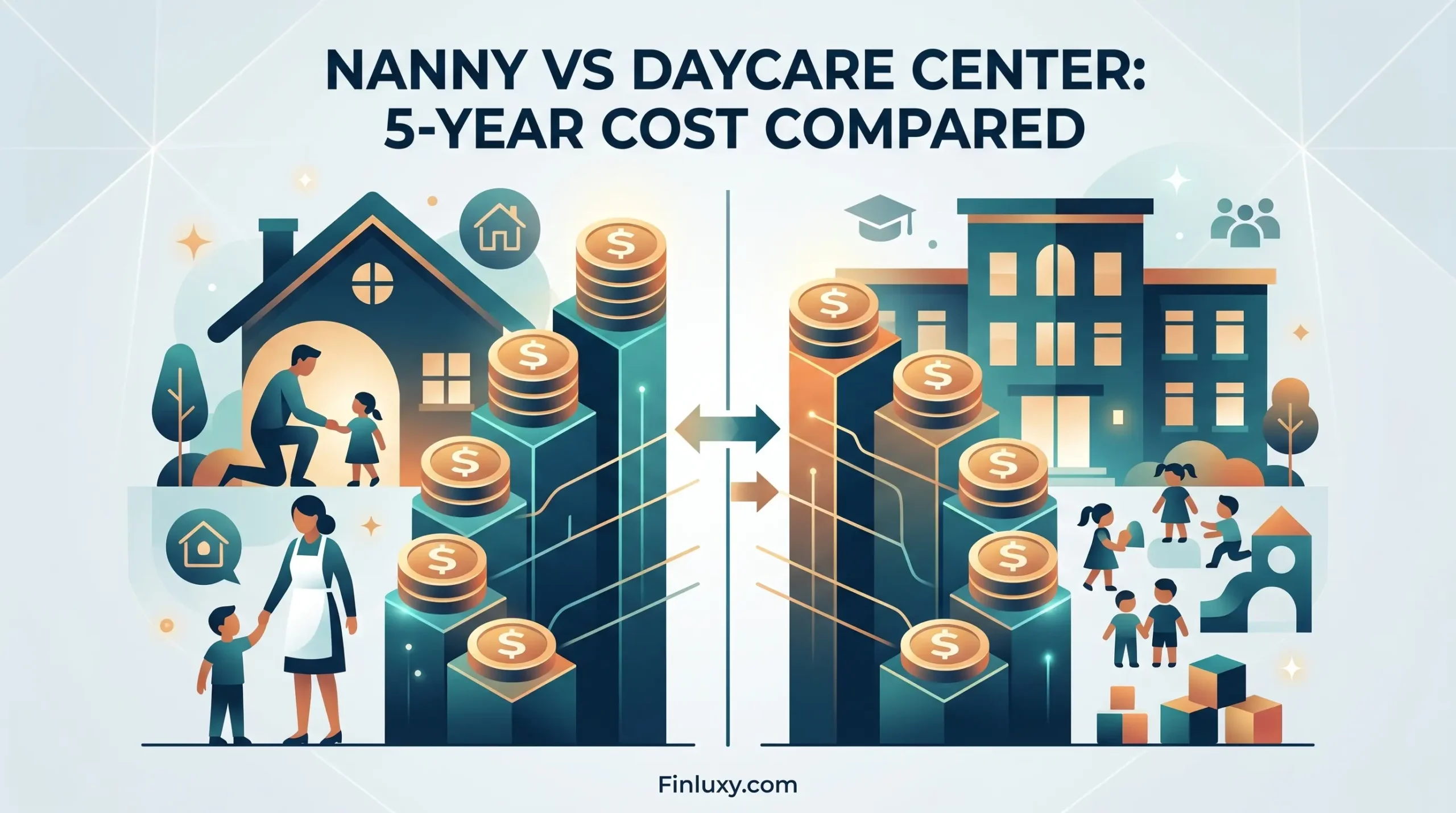
Full-time nanny costs vary significantly by market. In New York and San Francisco, experienced nannies with infant care specialization command $25–$40 per hour, translating to $52,000–$83,000 annually for a 40-hour week. Nanny share arrangements — where two families split one caregiver — can reduce individual cost by 30–40% while maintaining a high ratio of adult attention per child. Au pair programs offer a different model: cultural exchange visa programs place international caregivers in the home for a stipend of roughly $9,000 annually plus room, board, and a $500 education allowance — though the 45-hour per week limit and the program’s match-based nature don’t work for every family’s schedule.
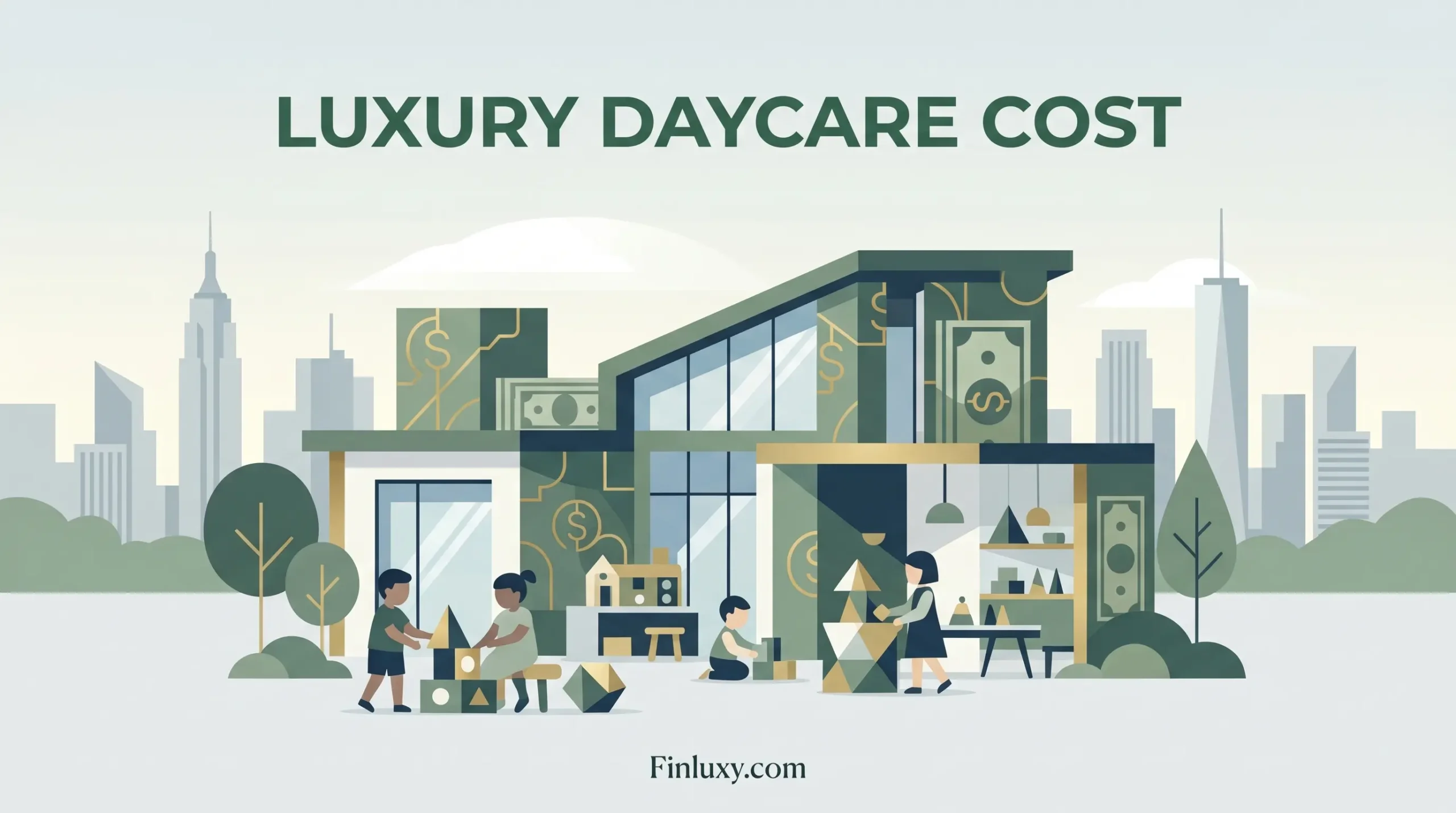
Premium infant care centers in major cities — Bright Horizons flagship locations, private Montessori programs — run $3,000–$5,000 per month for full-time infant enrollment, with waitlists that often require registration during pregnancy. The cost per care model varies, but the total annual spend is typically in the same range as nanny care for a single child.
The transition from childcare to school-age expenses is abrupt but doesn’t necessarily reduce total spend — private school tuition at elite schools quickly replaces childcare costs and then some. That transition is covered in private schools. The Affluent Living pillar tracks how childcare fits alongside the other recurring costs of high-income family life.