Pets
Pet ownership at the affluent end of the market looks quite different from national averages. The American Pet Products Association estimates average annual pet spending at roughly $1,500–$2,000 per dog — a figure that bears little resemblance to what high-income urban pet owners actually spend. Once you account for premium veterinary care, professional dog walking, grooming, boarding, specialized nutrition, training, and pet insurance, $10,000–$30,000 annually per dog is common for households that treat their animals as full members of the family.
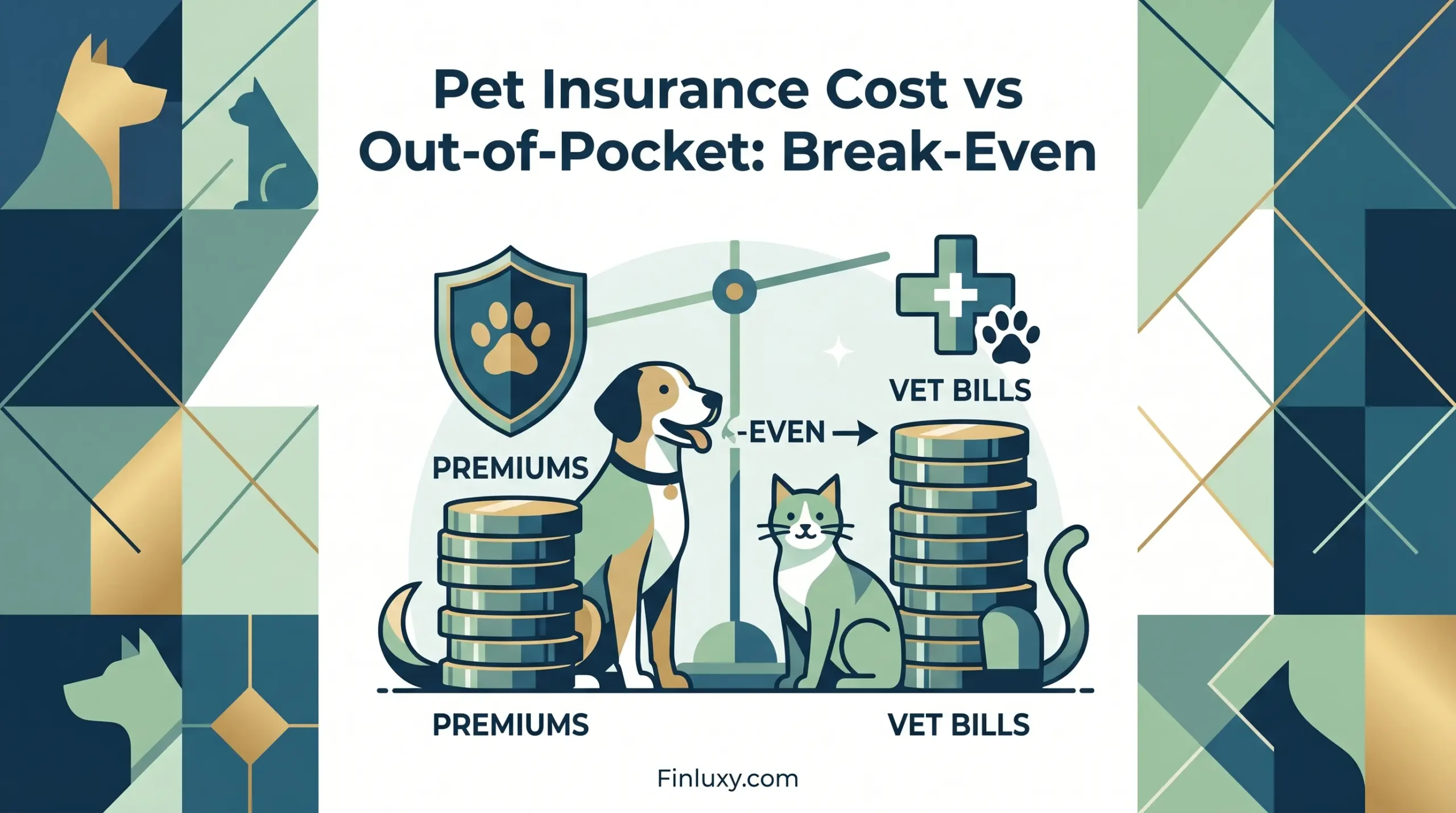
Veterinary care is the largest and most unpredictable cost. Routine annual care — wellness exam, vaccines, dental cleaning, parasite prevention — runs $800–$2,000 per year for a dog at a quality urban practice. Emergency and specialist care is where costs can spike dramatically. TPLO surgery for a torn ACL runs $4,000–$6,000 per knee. Oncology treatment for cancer can exceed $20,000. Cardiac and neurological specialists in major cities charge $300–$600 per consultation. Pet insurance — which typically runs $1,000–$3,000 annually for comprehensive coverage — can offset these costs but comes with deductibles, reimbursement limits, and breed-specific exclusions worth understanding before signing up.
Service costs in urban markets add quickly. Manhattan dog walkers charge $25–$40 per walk; a five-day-a-week arrangement runs $6,500–$10,400 annually. Premium boarding facilities that include individual suites, webcam access, and structured playtime charge $100–$200 per night. For a couple that travels six weeks per year, boarding alone can represent $4,000–$8,000 in annual spend.
Pet spending is one of the lifestyle costs that rarely gets tracked carefully, which makes it a natural candidate for the framework in cost per use. The broader context of day-to-day affluent household spending lives in the Affluent Living pillar.