Household Staff
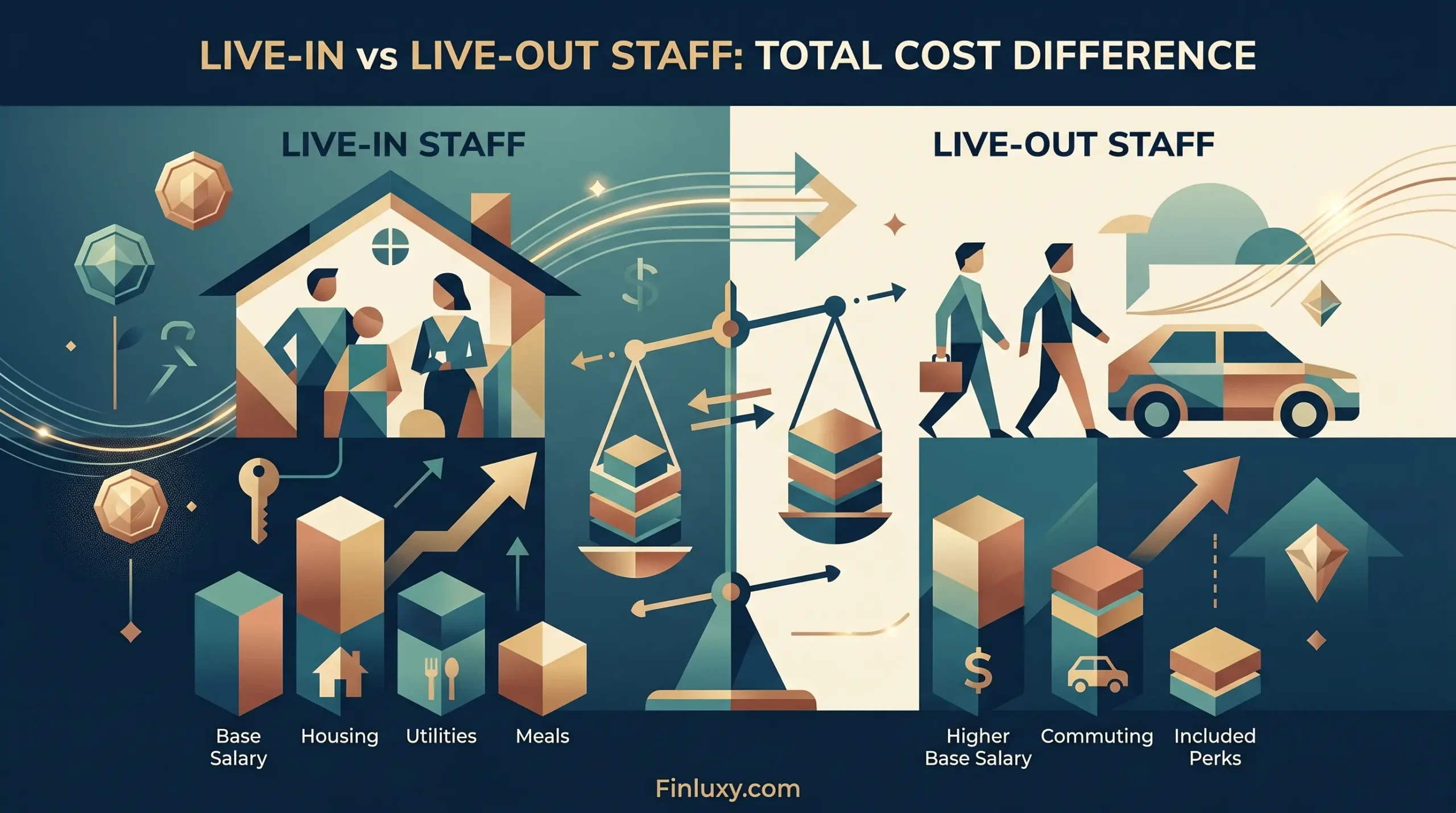
Employing household staff is one of the most underestimated cost categories for high-income families — not because the salaries are hidden, but because the total employer cost involves payroll taxes, workers’ compensation, benefits, overtime compliance, and household employment law that many families discover only after making a hire. A housekeeper earning $60,000 per year costs the employer closer to $75,000–$80,000 once all-in employment costs are counted.
Role costs vary widely by market and function. Full-time executive housekeepers in major cities earn $60,000–$100,000 annually. Personal chefs — not caterers, but dedicated household culinary professionals — run $80,000–$150,000 depending on experience, cuisine specialty, and whether they’re handling household meal prep only or event cooking as well. Estate managers, who coordinate multiple properties, vendors, and staff, typically command $100,000–$200,000 in affluent markets. Full-time drivers in New York or Los Angeles earn $60,000–$90,000. Each role requires the family to function as an employer in the full legal sense.
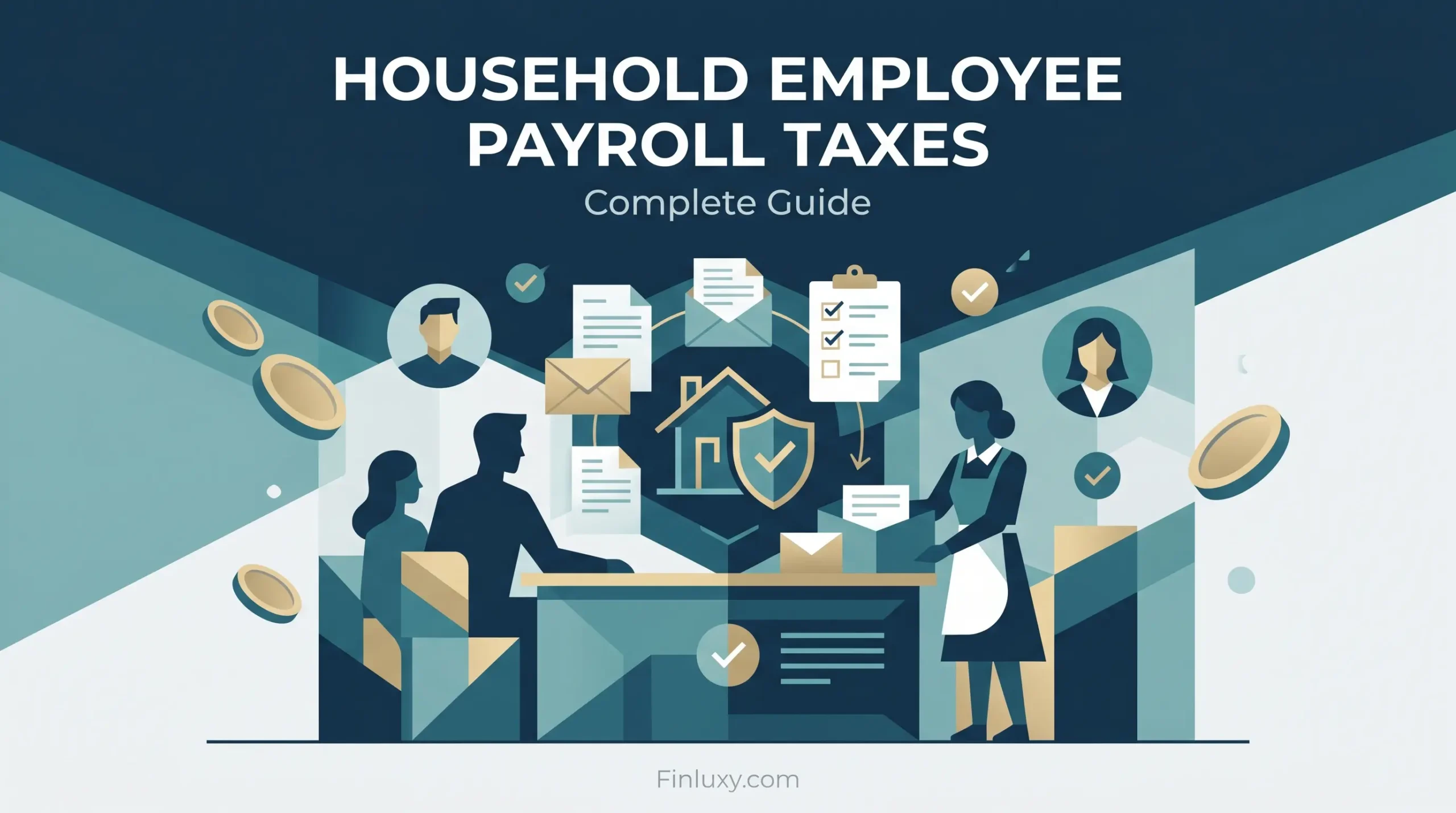
The employer compliance dimension is significant. Federal and state household employment law requires withholding and remitting payroll taxes, providing workers’ compensation coverage, following wage and hour laws including overtime provisions, and issuing W-2s annually. Household payroll services like GTM Payroll Services, HomeWork Solutions, or SurePayroll handle this administration for $1,500–$3,000 per year, which is a sensible fixed cost for avoiding substantial legal exposure.
For households with young children, household staff costs frequently overlap with childcare expenses, particularly when a nanny or household manager takes on supervisory responsibilities. The Affluent Living pillar covers how staff costs fit within the total picture of what high-income households spend to run their day-to-day lives.