Art & Collectibles
Art and collectibles occupy a unique space in the luxury landscape — they’re culturally significant, emotionally resonant, and occasionally excellent investments. They’re also illiquid, expensive to store and insure, subject to significant transaction costs, and historically difficult to value with any precision. Understanding both sides of that ledger is essential before treating a collection as a financial strategy.
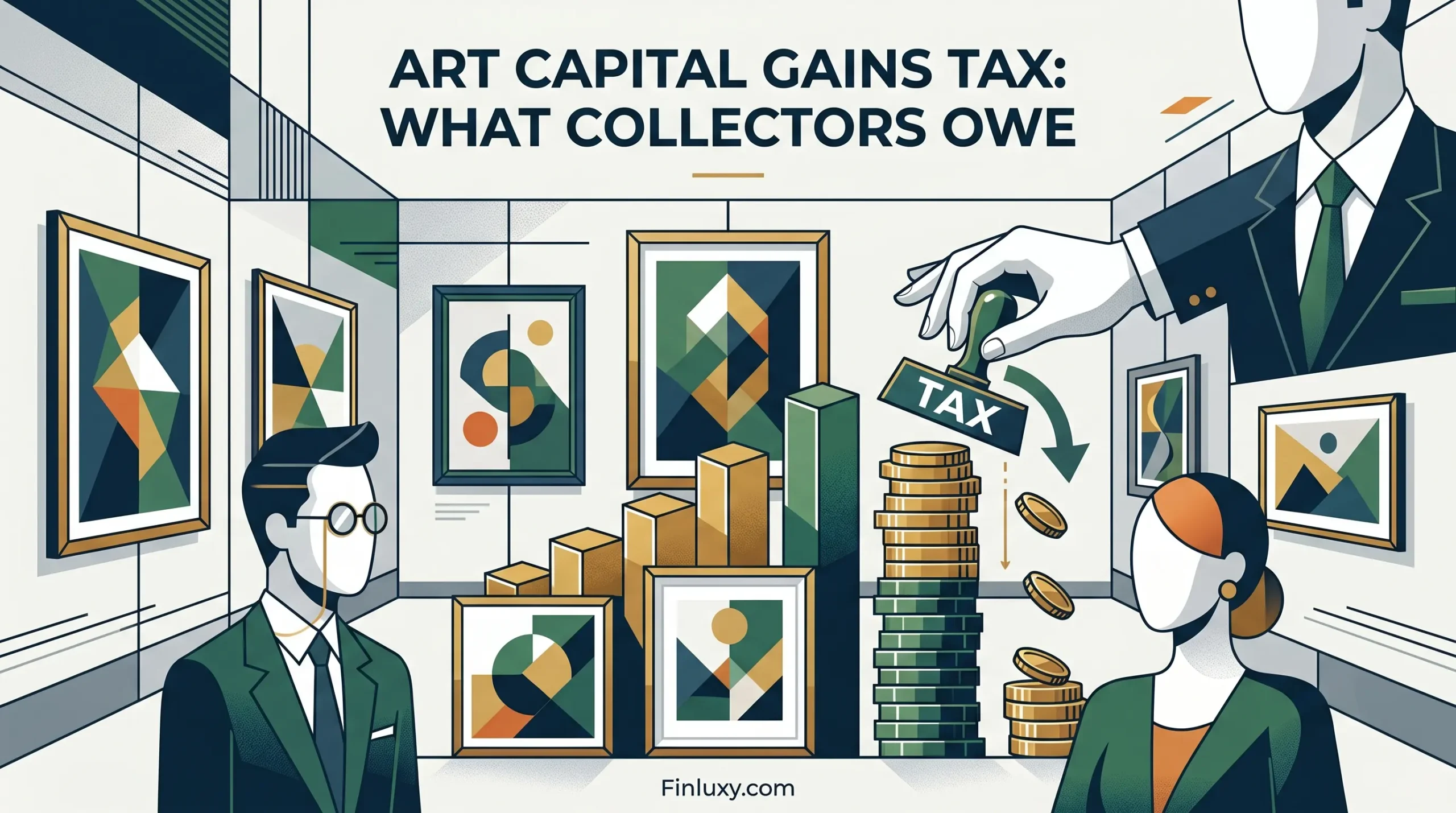
Transaction costs in the art market are among the highest of any asset class. Auction house buyer’s premiums typically run 15–25% on top of the hammer price, meaning a $500,000 purchase costs $575,000–$625,000. Seller’s commissions add another 5–15% when you exit, and art advisors typically charge 5–10% of transaction value on both sides. A round-trip purchase and sale can consume 30–40% of the asset’s value in fees alone before any price movement is considered.
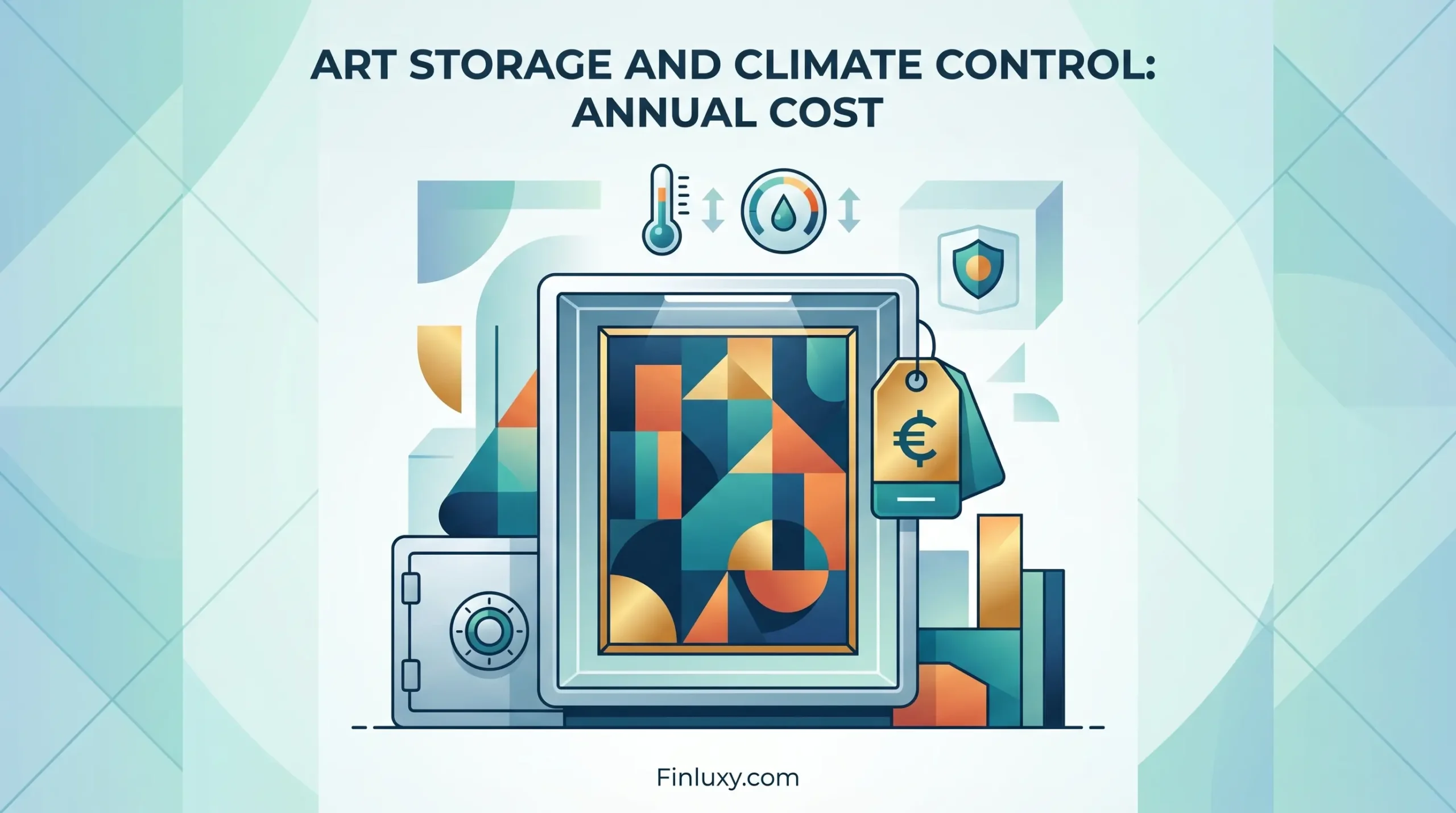
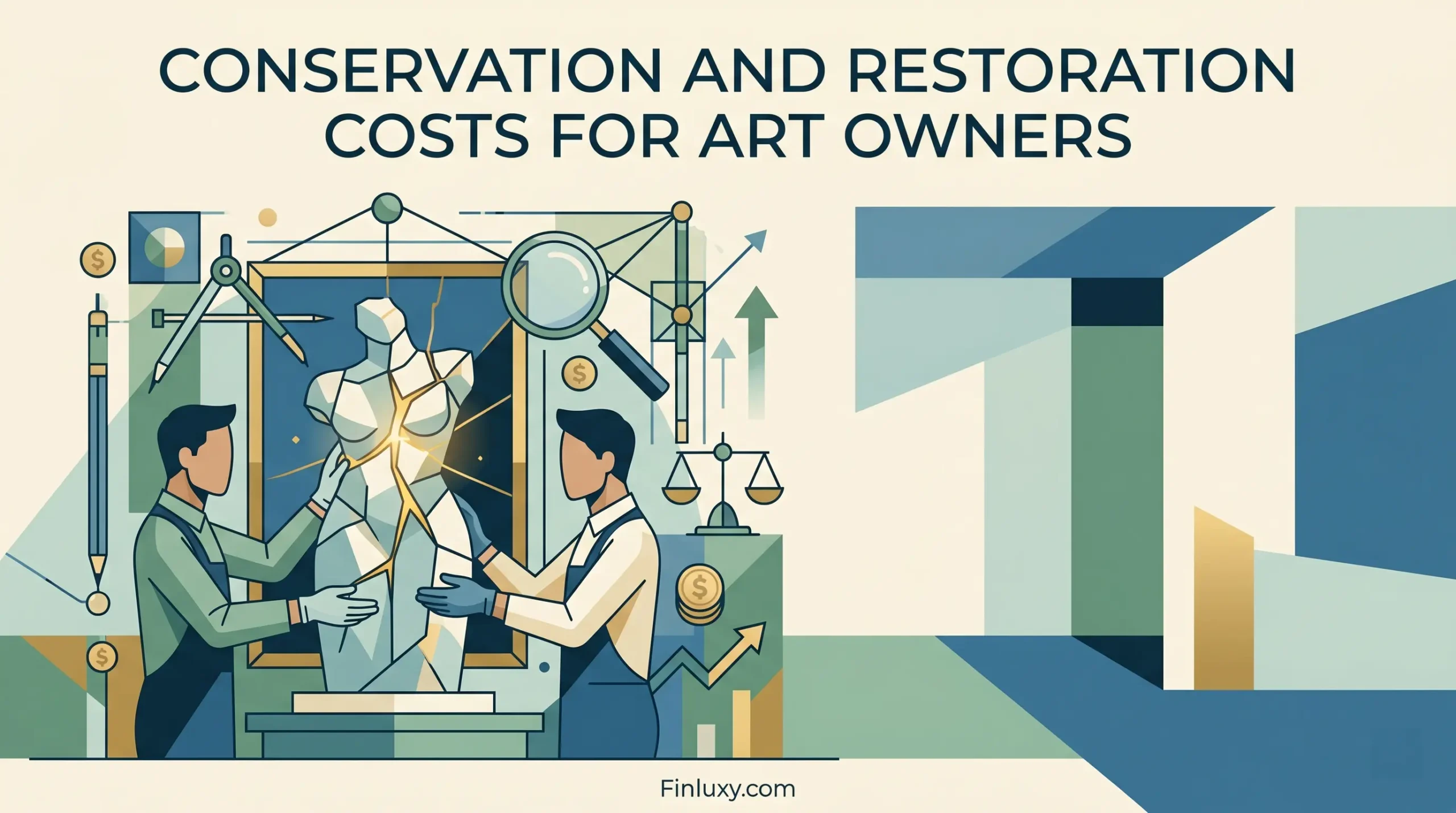
Holding costs are a separate line item. Fine art requires climate-controlled storage ($500–$5,000 per work annually for institutional-grade facilities), specialized insurance (typically 0.1–0.5% of appraised value per year), and periodic conservation. A collection appraised at $2 million might carry $20,000–$40,000 in annual holding costs even when nothing is bought or sold.
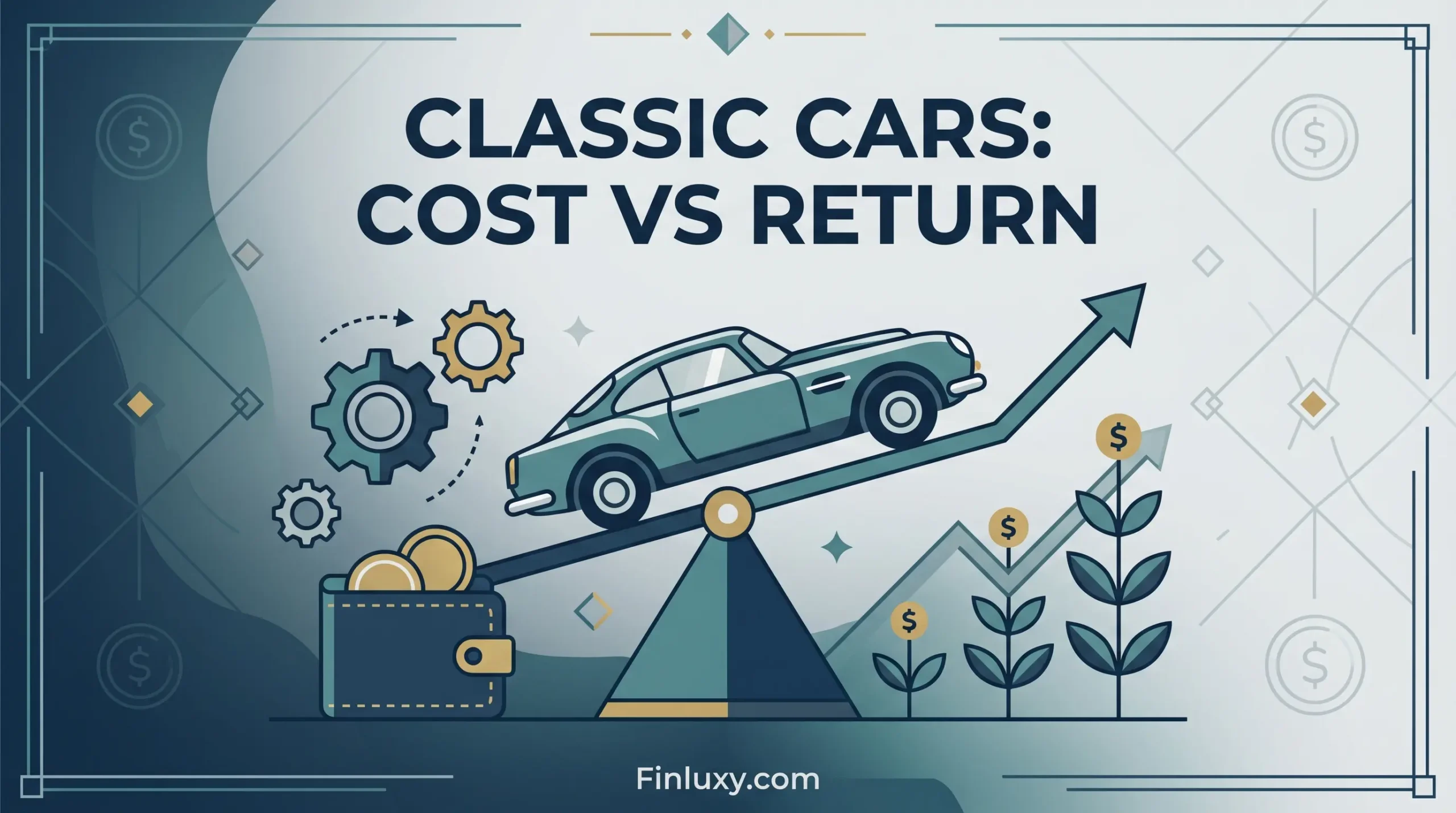
Where art has genuinely created wealth is in the upper tiers of the primary market — works by artists with museum exhibition histories, established auction records, and blue-chip gallery representation. Wine, vintage cars, rare watches, and sports memorabilia follow similar collector-market dynamics. For context on how watches overlap with the collectibles world, see watches & jewelry. The Luxury Spending pillar covers the full range of luxury categories where spending and investment can blur.