Watches & Jewelry
Luxury watches occupy a strange position in the personal finance landscape — they’re simultaneously a discretionary purchase, a status signal, a wearable collectible, and occasionally a genuine store of value. The challenge is that these functions don’t apply equally across brands, references, or market conditions, and conflating them is how buyers end up disappointed.
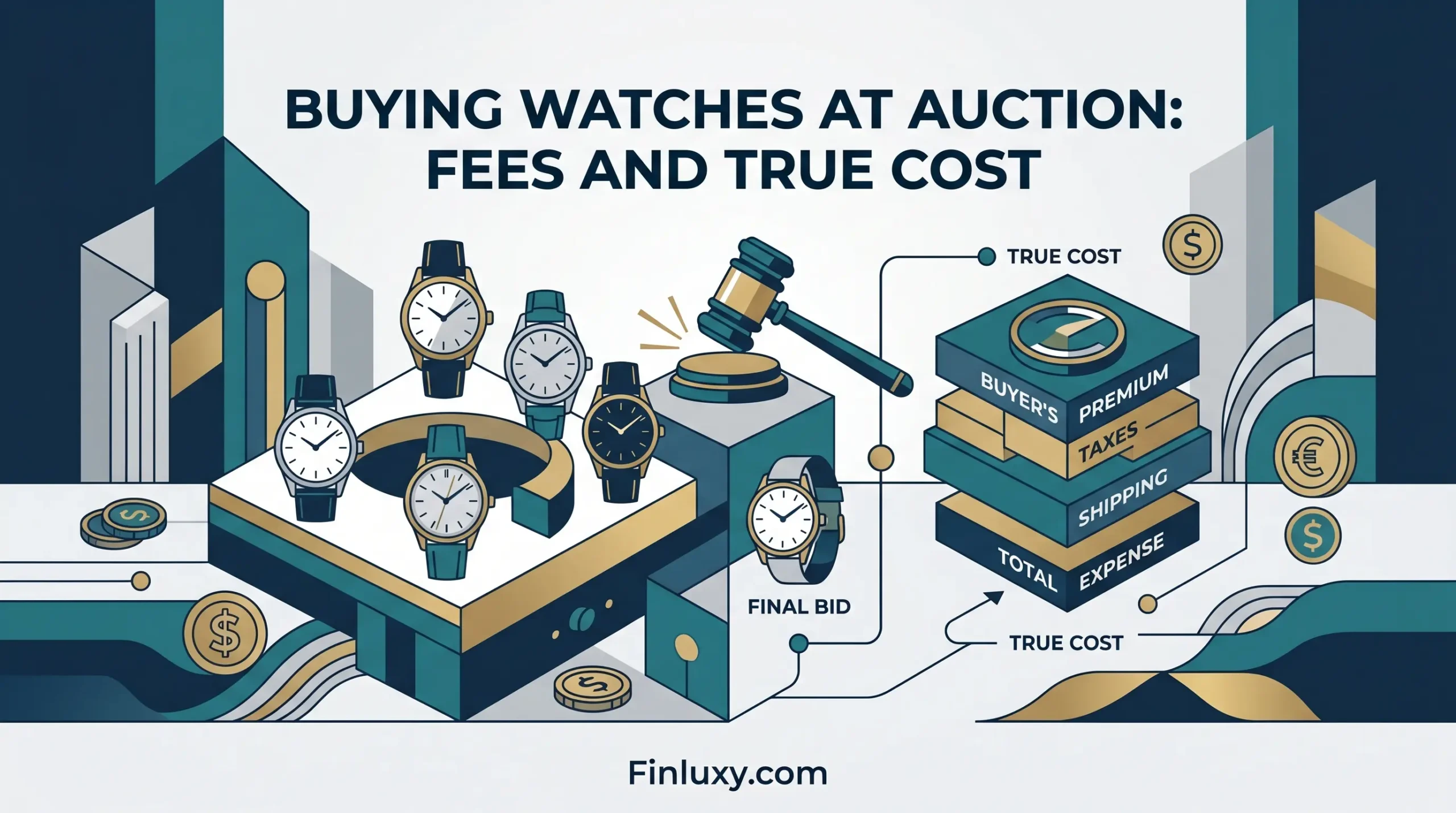
At the top of the secondary market, certain Rolex sports references — the Daytona, the Submariner, the GMT-Master II in steel — have historically traded above retail, sometimes significantly so. Patek Philippe’s Nautilus and Aquanaut have seen similar dynamics. But these are narrow exceptions. The vast majority of luxury watches, including many from prestigious brands, lose 20–40% of their retail value within the first few years on the secondary market. Buying a watch as an investment requires being very specific about which watch.
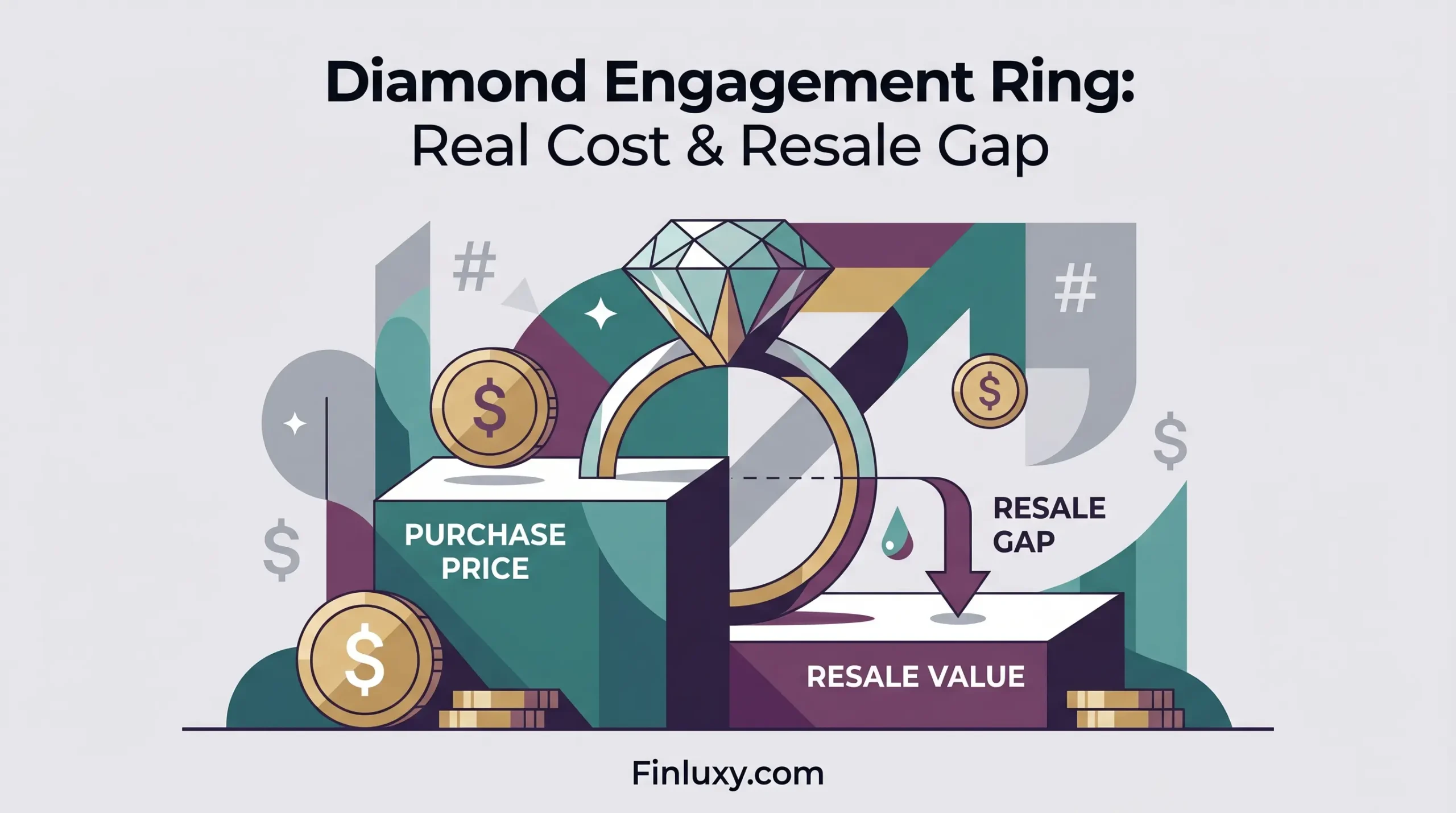
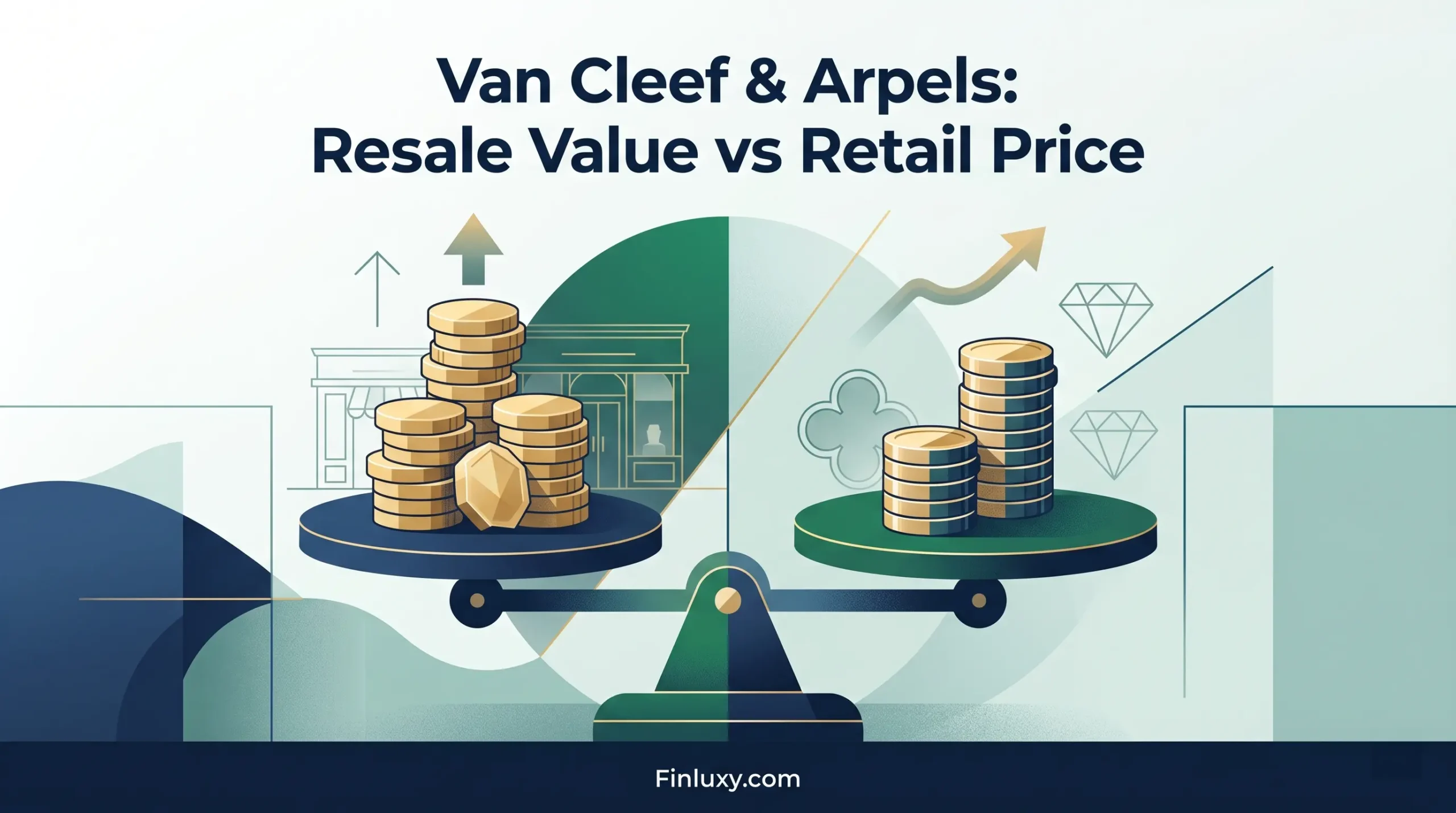
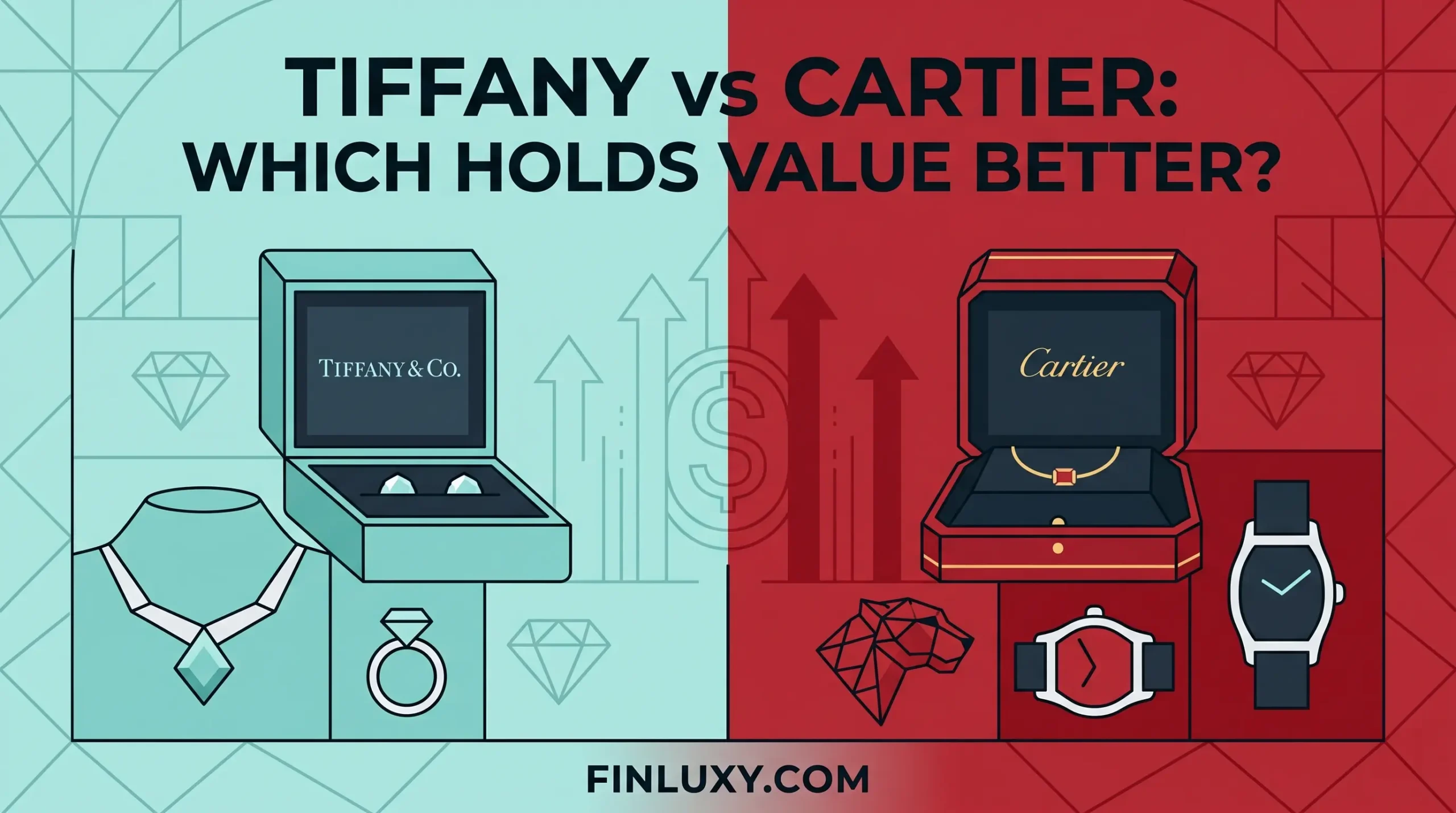
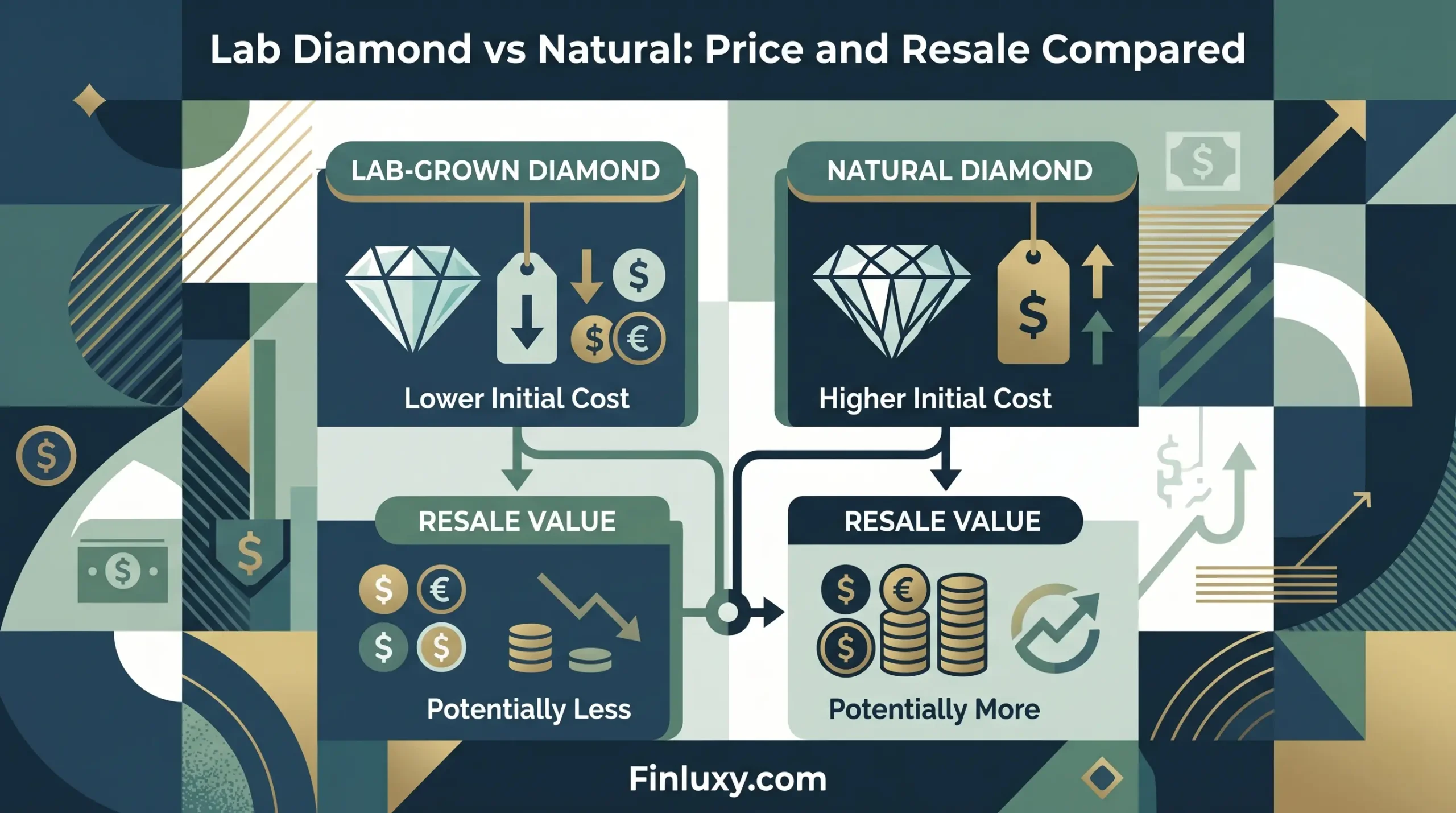
Jewelry follows a harsher depreciation curve in most cases. Diamond retail markups of 100–200% above wholesale are common, which means resale through a jeweler or auction house typically returns 20–50 cents on the retail dollar for non-collector pieces. Signed pieces from Cartier, Van Cleef & Arpels, or Buccellati hold value better than unsigned stones, as does colored gem jewelry featuring high-quality sapphires, rubies, and emeralds.
Insurance is a cost that’s often forgotten at purchase. Scheduling a $30,000 watch or a $50,000 engagement ring on a homeowner’s policy adds $300–$600 annually — a real line item worth factoring upfront. For the broader context of how watches and jewelry fit into luxury spending patterns, see the Luxury Spending pillar, and for a comparison of how asset-like luxury purchases stack up against art & collectibles, both clusters are worth reading together.