Advisor Costs
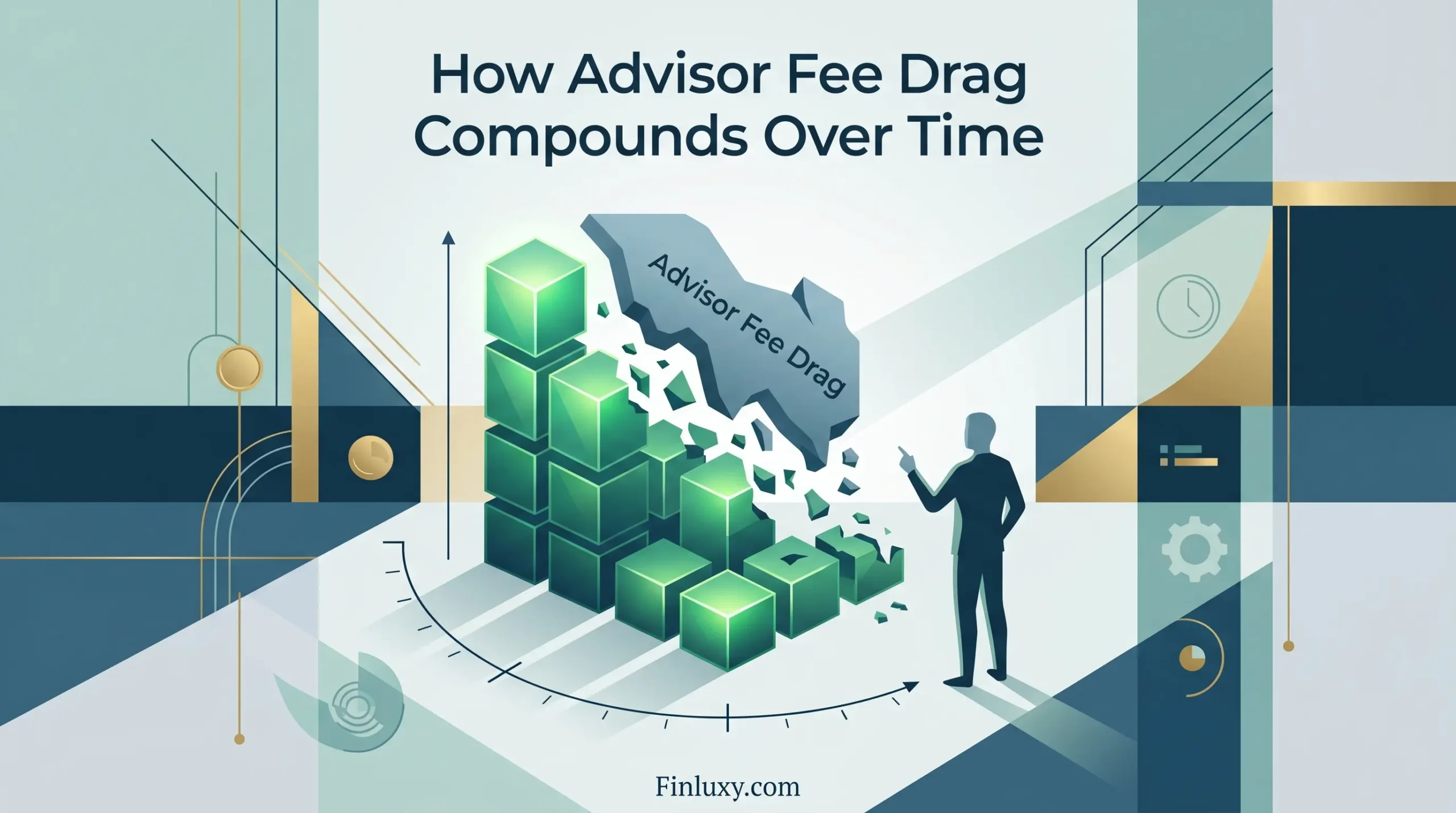
Professional advisors represent one of the highest-stakes spending decisions for high-income households — not because of the fee itself, which is typically dwarfed by the financial impact of good or bad advice, but because the quality of advice varies so dramatically and the metrics for evaluating it are not always obvious to the client. Understanding how advisors charge, what fee structures to prefer, and how to assess value is foundational to getting your money’s worth from professional relationships.
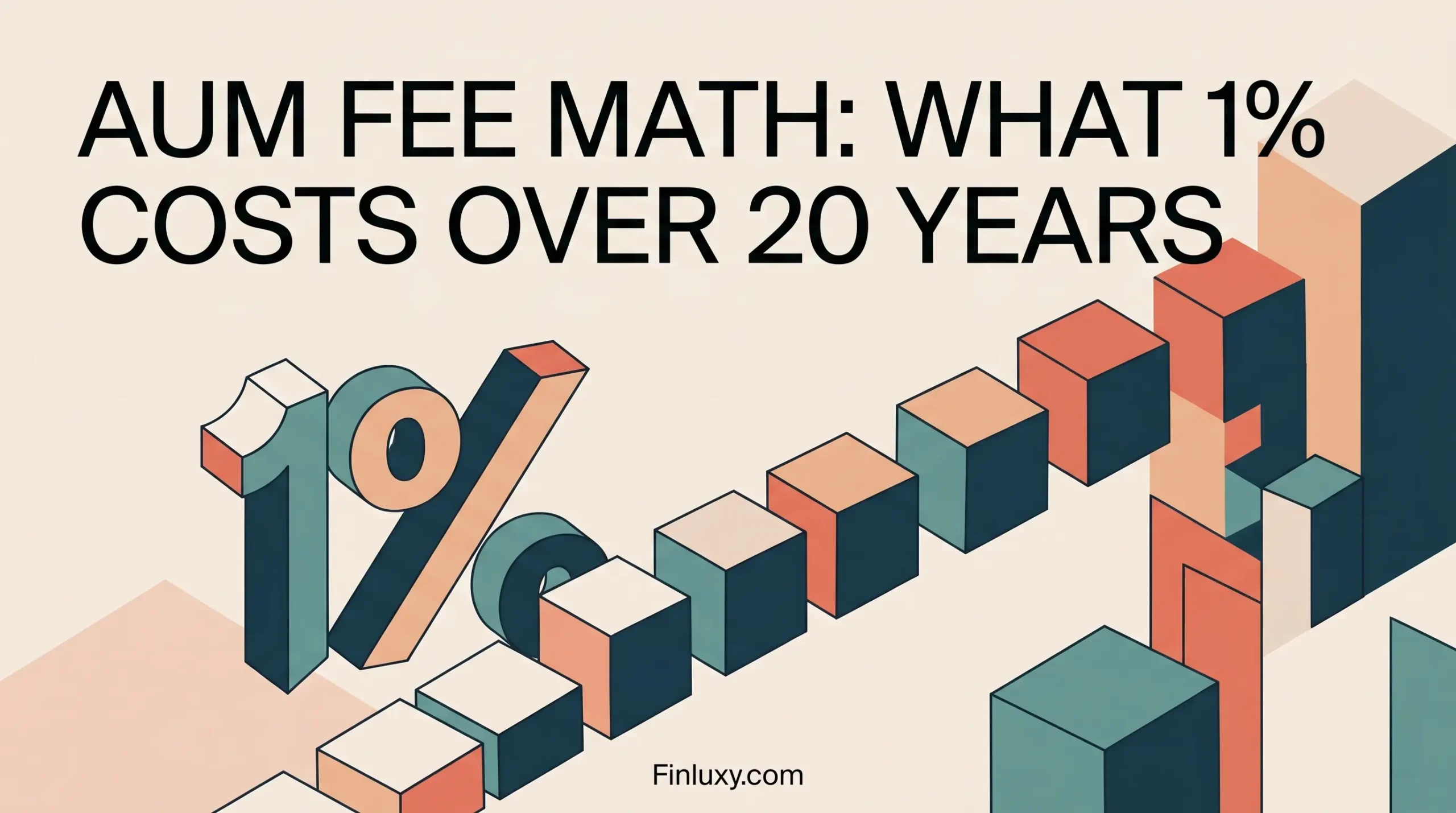
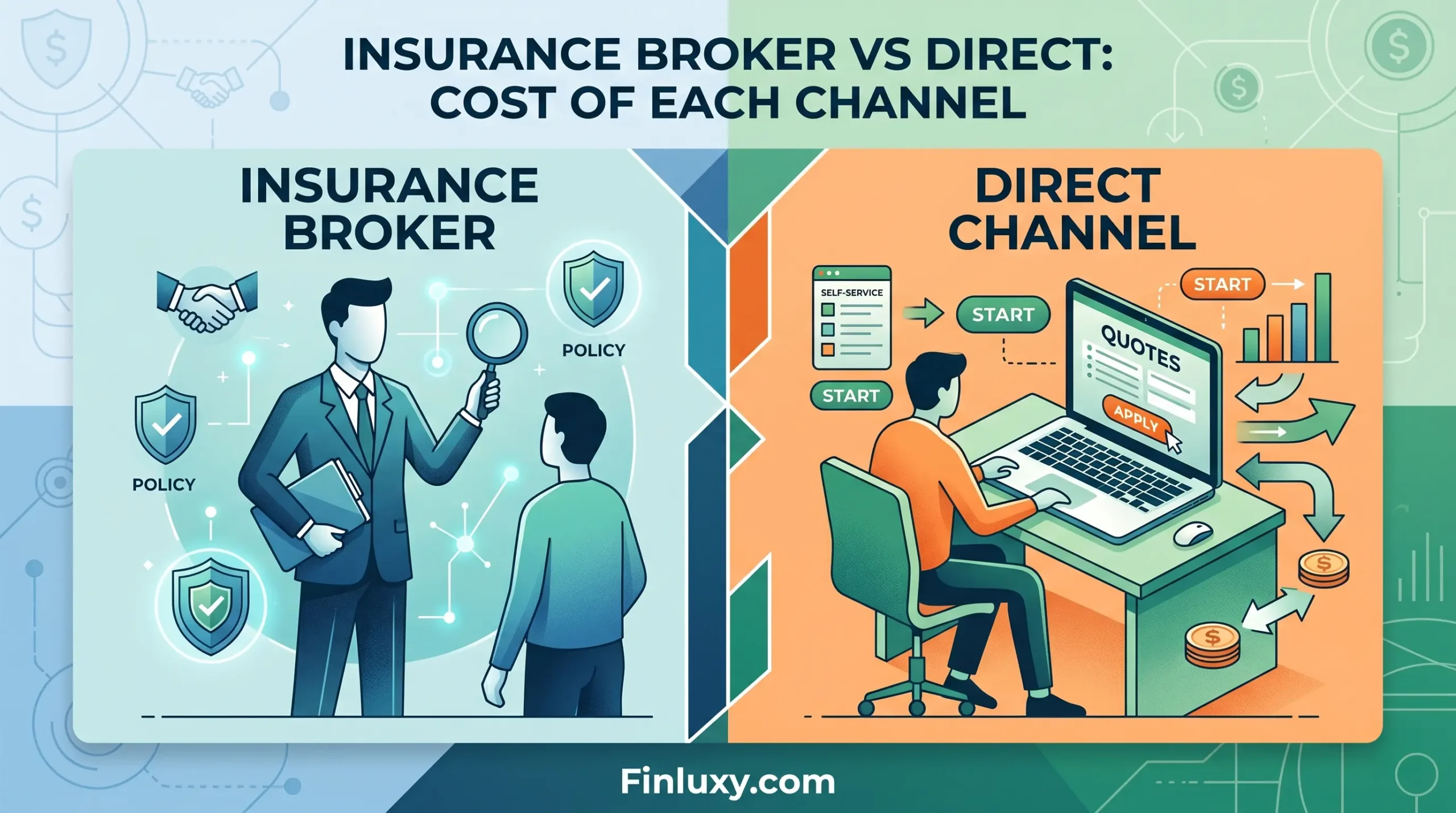
Financial advisors use several distinct fee models, each with different incentive structures. Fee-only advisors charge a flat fee, hourly rate, or percentage of assets under management (AUM) with no commissions — their income comes entirely from client fees, aligning their incentives with client outcomes. Fee-based advisors charge fees but may also earn commissions on products they recommend, which creates potential conflicts of interest worth understanding. Commission-only advisors earn nothing unless they sell you something, which creates the most significant structural misalignment. AUM fees typically run 0.5–1.5% annually for portfolios of $1 million or more, declining at higher asset levels — on a $5 million portfolio, 1% is $50,000 per year, which makes evaluation of the value delivered important.
Tax professionals deserve similar scrutiny. A CPA doing a simple return charges $300–$800. A CPA handling a complex high-income return with business income, equity compensation, real estate, and multi-state filing may charge $3,000–$15,000 annually. Estate planning attorneys charge $300–$700 per hour, with a comprehensive estate plan (will, trust, powers of attorney, healthcare directives) typically running $5,000–$20,000 depending on complexity. The question in each case is not whether the fee is large, but whether the expertise delivered is worth the cost relative to alternatives.
For the tax strategies that advisors help implement, income tax and deductions provide the substantive context. The Smart Spending pillar applies the same analytical framework to advisor relationships that it does to product purchases — the goal is intentional spending that delivers genuine value.