Subscription Audit
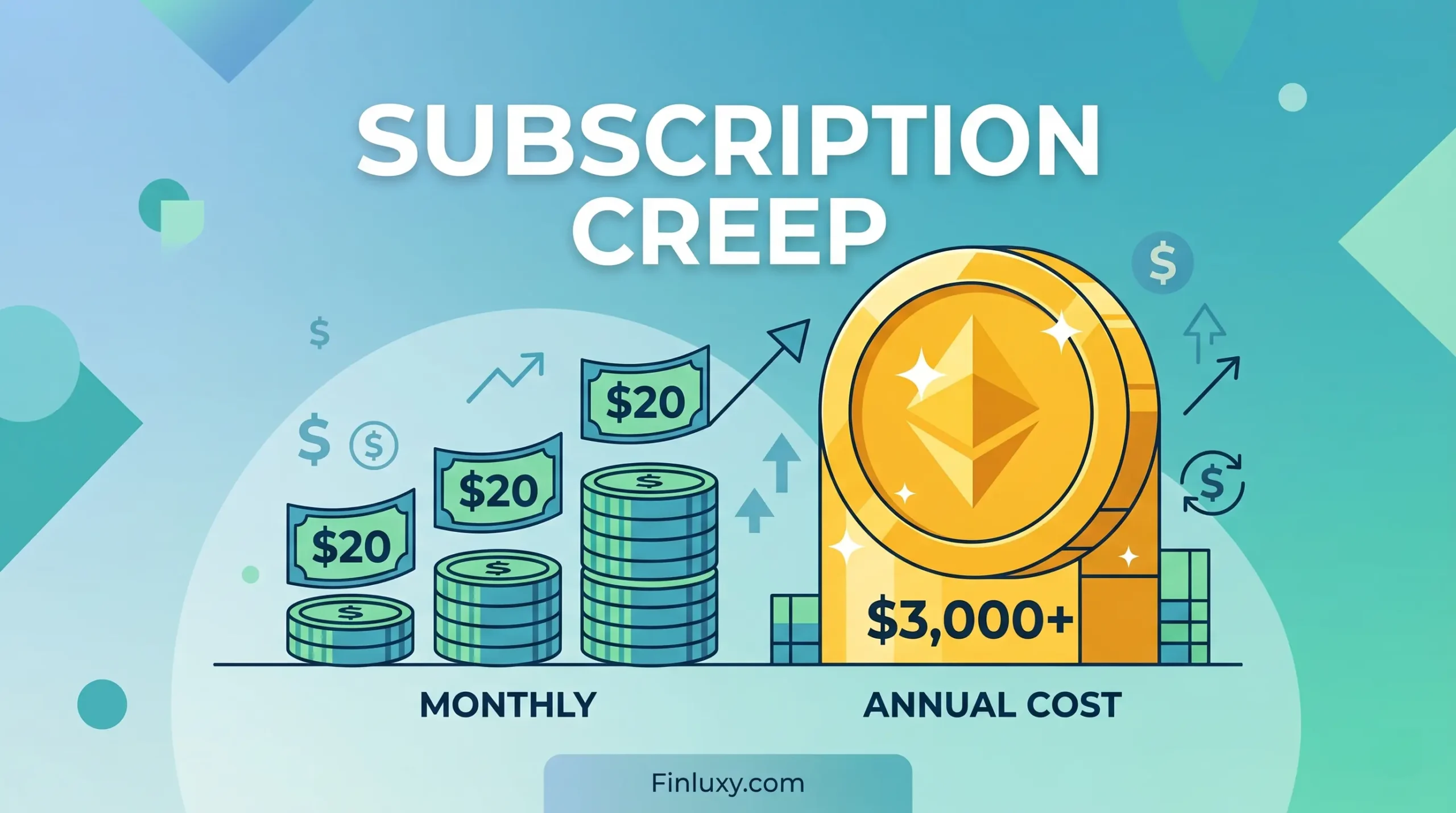
Subscriptions are the spending category most vulnerable to inattention. Unlike one-time purchases, they recur without a new decision point — which means they continue whether or not they’re being used, and their cumulative cost is rarely visible in the way that a single large purchase is. Research consistently shows that consumers underestimate their subscription spending by 40–80% when asked to estimate it from memory, which is why a systematic audit almost always surfaces meaningful money.
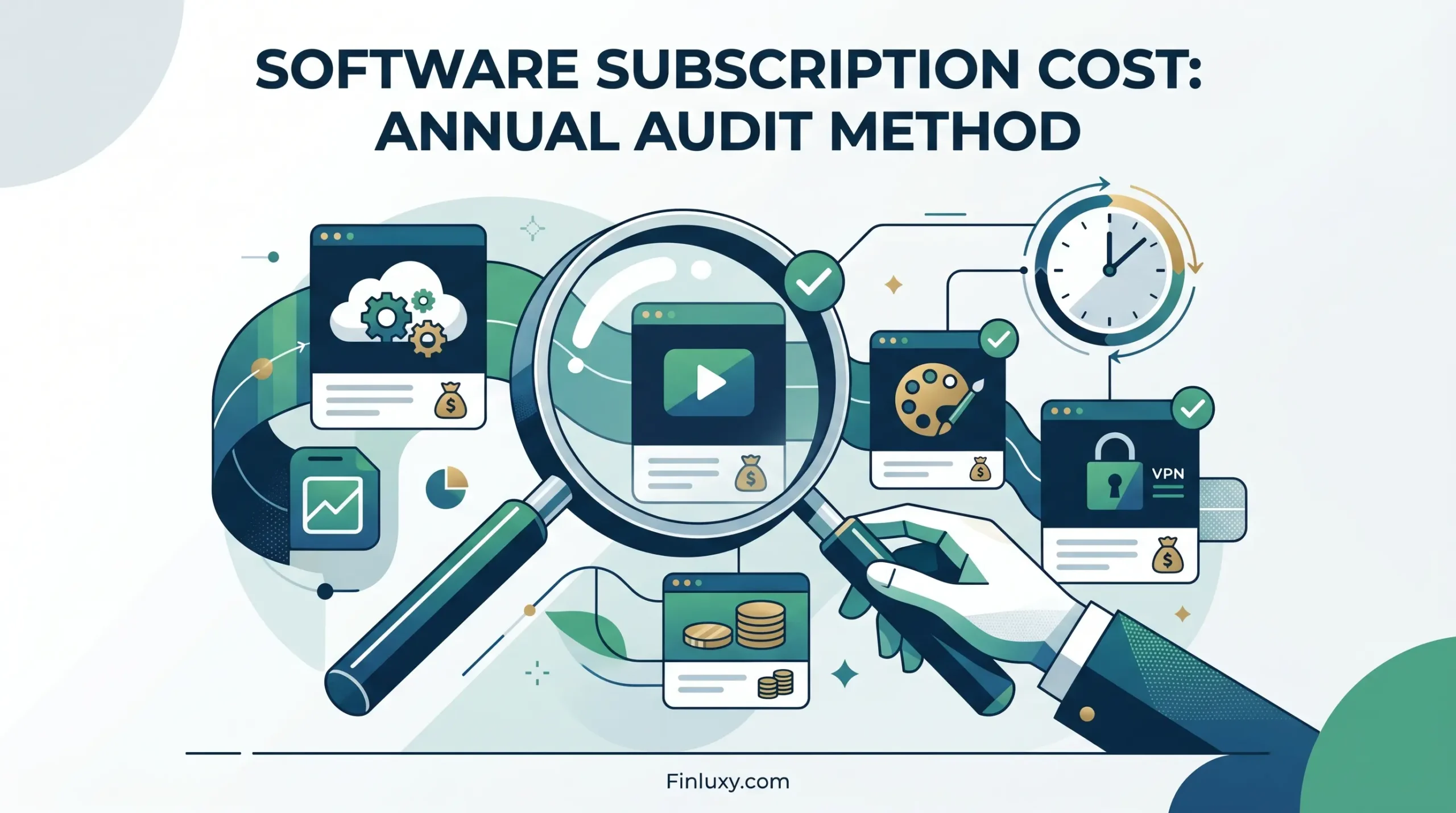
A full subscription audit starts with three sources that together capture nearly everything: credit card statements (searching for recurring charges month over month), bank statements, and the subscription management features available in Apple’s App Store, Google Play, and increasingly in banking apps. Going back 90 days across all payment methods typically captures the full picture, including annual subscriptions that don’t appear every month.
Categorization helps prioritize the evaluation. Active and frequently used subscriptions — streaming services you watch weekly, software you use daily — are worth keeping at almost any reasonable price. Underused subscriptions — that gym membership you access monthly, the premium news subscription you haven’t opened in weeks — are candidates for cancellation or downgrade. Forgotten subscriptions — free trials that converted, services from a prior life stage, duplicate coverage — are pure waste that can be cut immediately.
High-income households face a specific subscription accumulation pattern: luxury and premium subscriptions that each feel justified individually but create a significant aggregate cost. The specific analysis of luxury subscription categories — private clubs, concierge medicine, aviation cards — is covered in luxury subscriptions. For the broader framework of evaluating whether any recurring cost is worth its price, see worth it? The Smart Spending pillar covers subscription management alongside all the other frameworks for intentional spending.