Worth It?
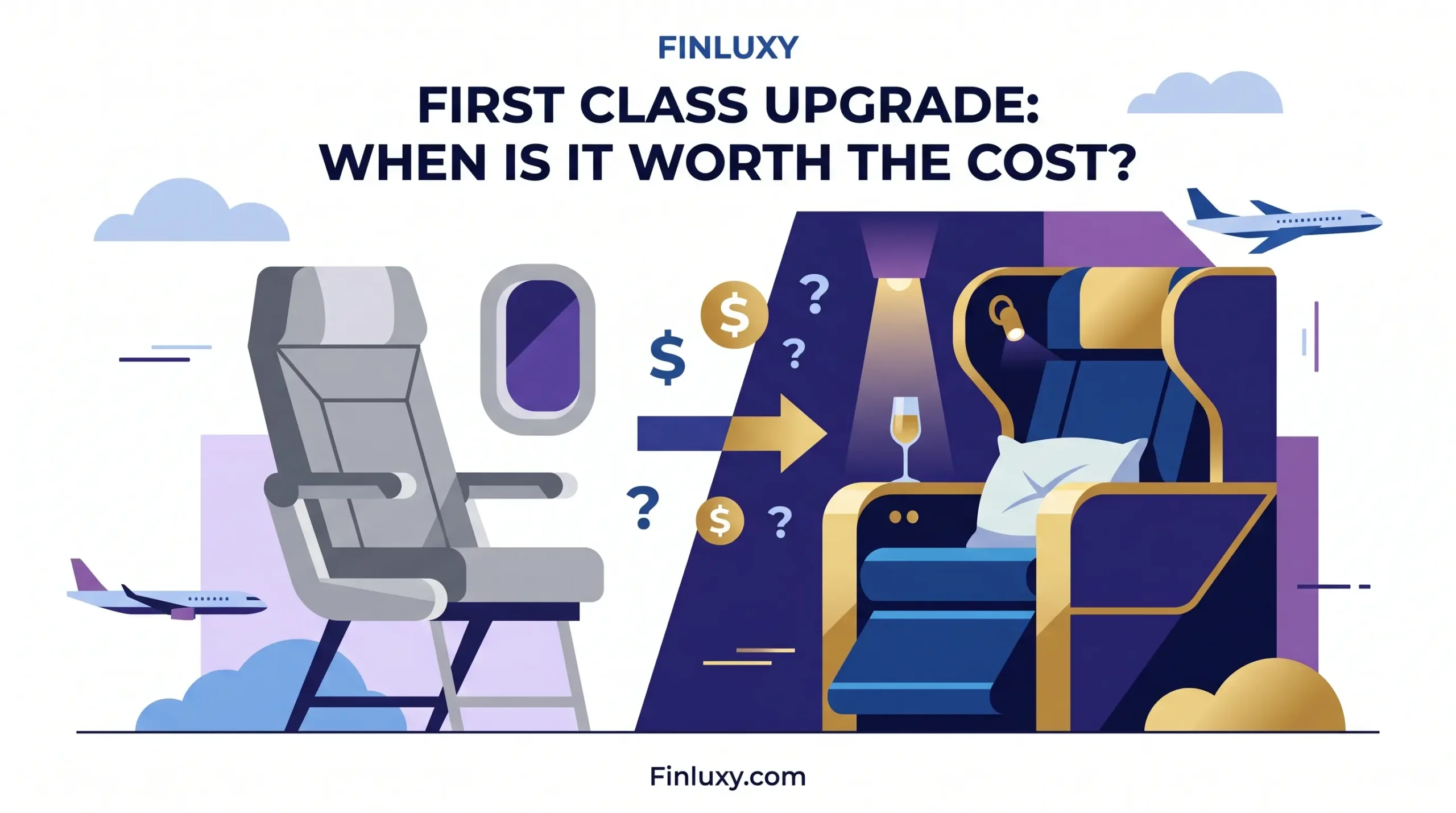
The question “is it worth it?” is deceptively simple. It sounds like it has a right answer determined by price and quality — but worth is actually personal, contextual, and relative to alternatives. A $3,000 flight upgrade is worth it to one person and absurd to another based on factors that have nothing to do with the objective quality of the seat. Building a framework for evaluating worth — rather than relying on instinct in the moment — is one of the highest-return habits in personal financial management.
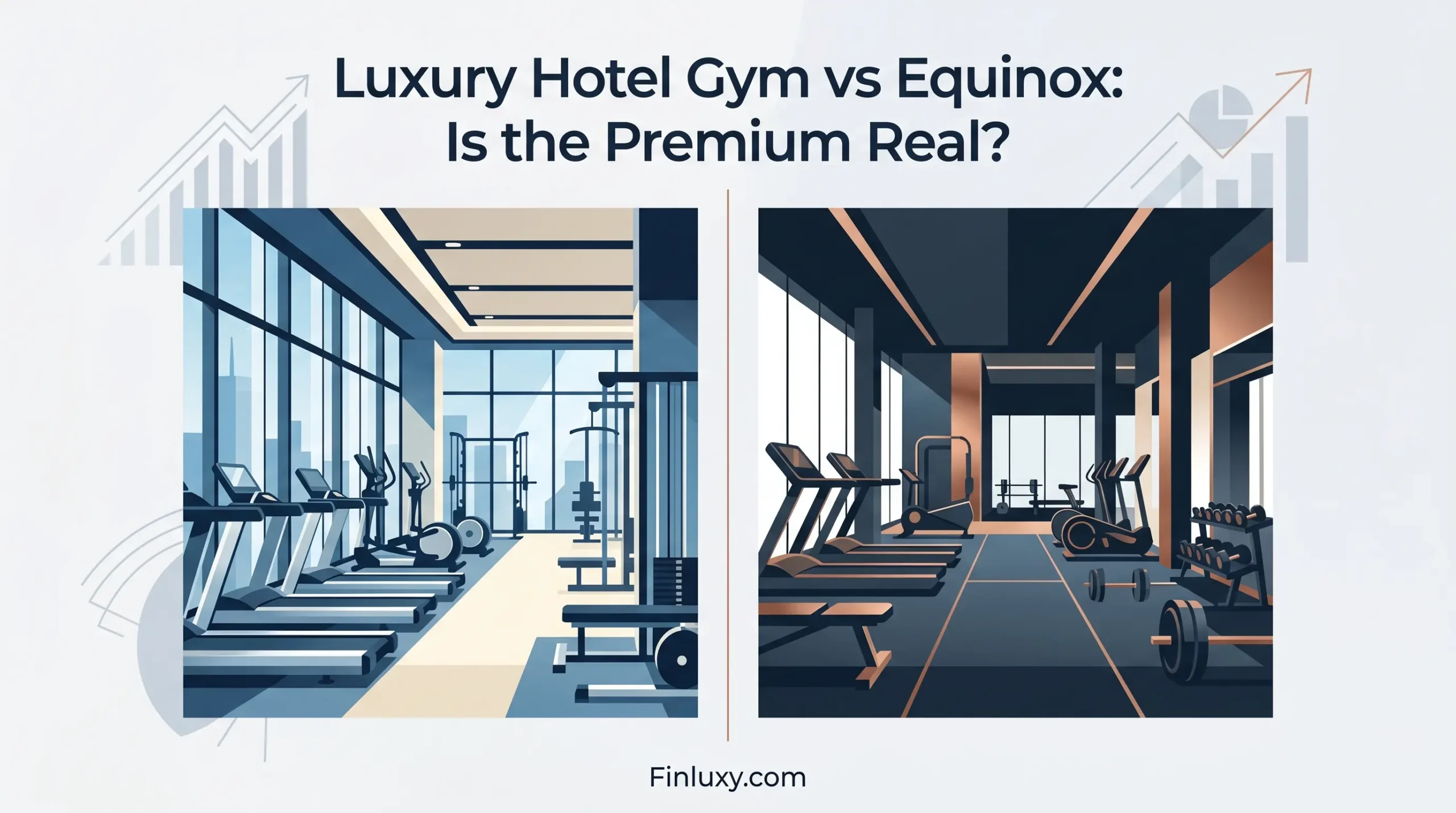
The most useful starting framework separates the purchase into three components: the total cost (including ongoing costs, not just purchase price), the realistic use case (how often, under what circumstances, for how long), and the available alternatives (including doing nothing). A $500 monthly gym membership is worth evaluating differently by someone who goes five days a week versus someone who goes twice a month — and for the twice-a-month user, comparing it to $30 drop-in classes that add to $60 monthly makes the math obvious. The cost per use cluster operationalizes this framework with specific calculations.
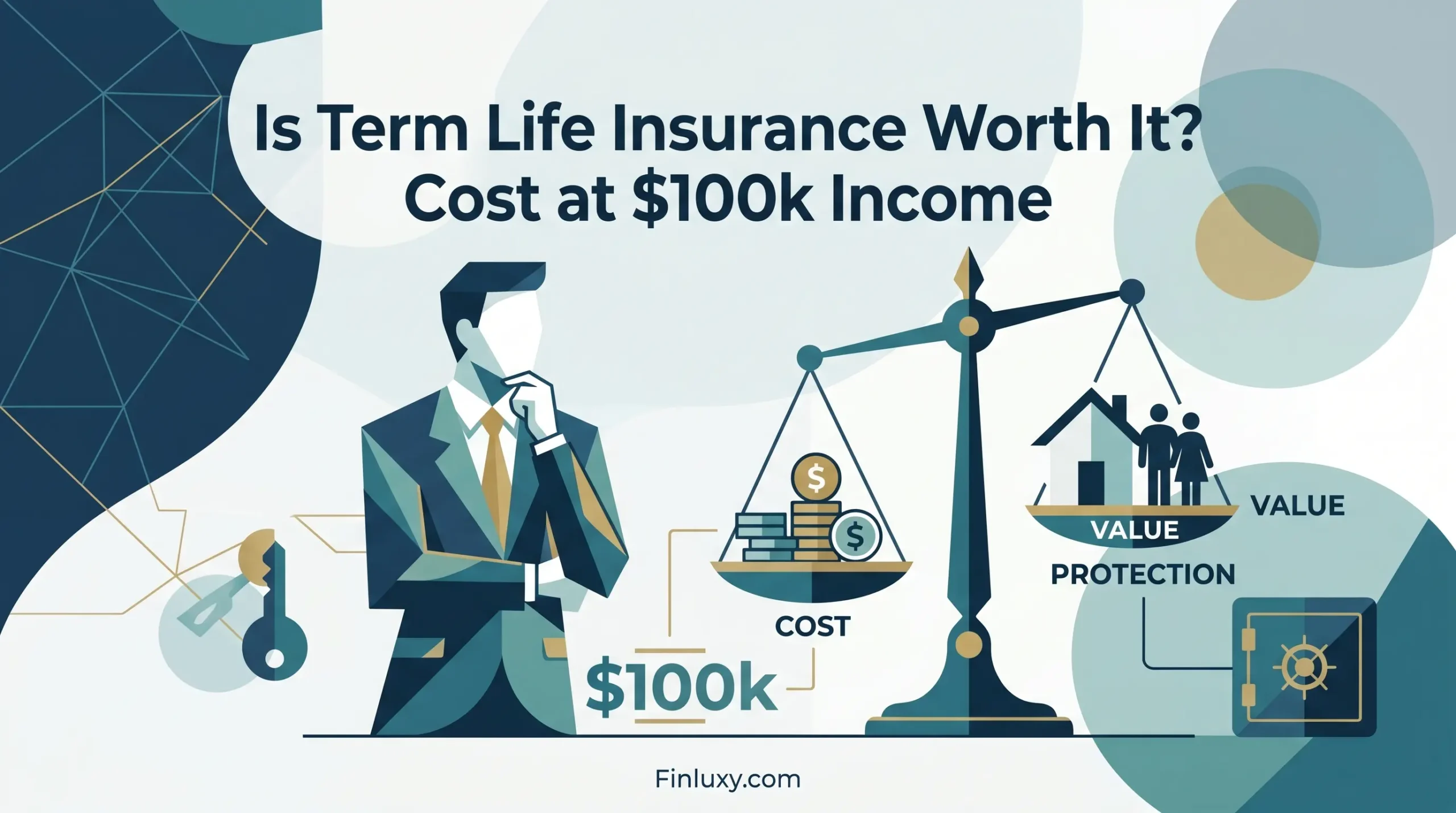
Opportunity cost is the variable most often omitted. Every dollar spent is a dollar not invested, not saved, not available for an alternative purchase. At a 7% expected return, $10,000 spent today is worth approximately $19,700 in ten years. That doesn’t mean spending is wrong — it means the benefit of the purchase needs to be weighed against what that capital could do otherwise. This framing is particularly powerful for large discretionary purchases that feel justified in isolation but are harder to defend in full context.
Anchoring — the tendency to evaluate a purchase relative to a prior price rather than its absolute value — is one of the cognitive biases most worth resisting. The pricing psychology cluster covers how retailers and service providers use anchoring and other techniques to shift spending decisions. The Smart Spending pillar applies this analytical mindset across every major purchase category.