Skip to content
Finluxy
Finluxy
  • Affluent Living
  • Income Reality
  • Life & Money
  • Luxury Spending
  • Real Estate
  • Smart Spending
  • Tax & Wealth

Pricing Psychology

Pricing psychology is the set of techniques that retailers, marketers, and service providers use to influence purchase decisions in ways that work below the level of conscious analysis. Most of them have been rigorously studied — they’re effective because they exploit predictable patterns in how humans process value, compare options, and respond to scarcity. Knowing how they work doesn’t make you immune to them, but it creates enough friction to improve decision quality on high-stakes purchases.

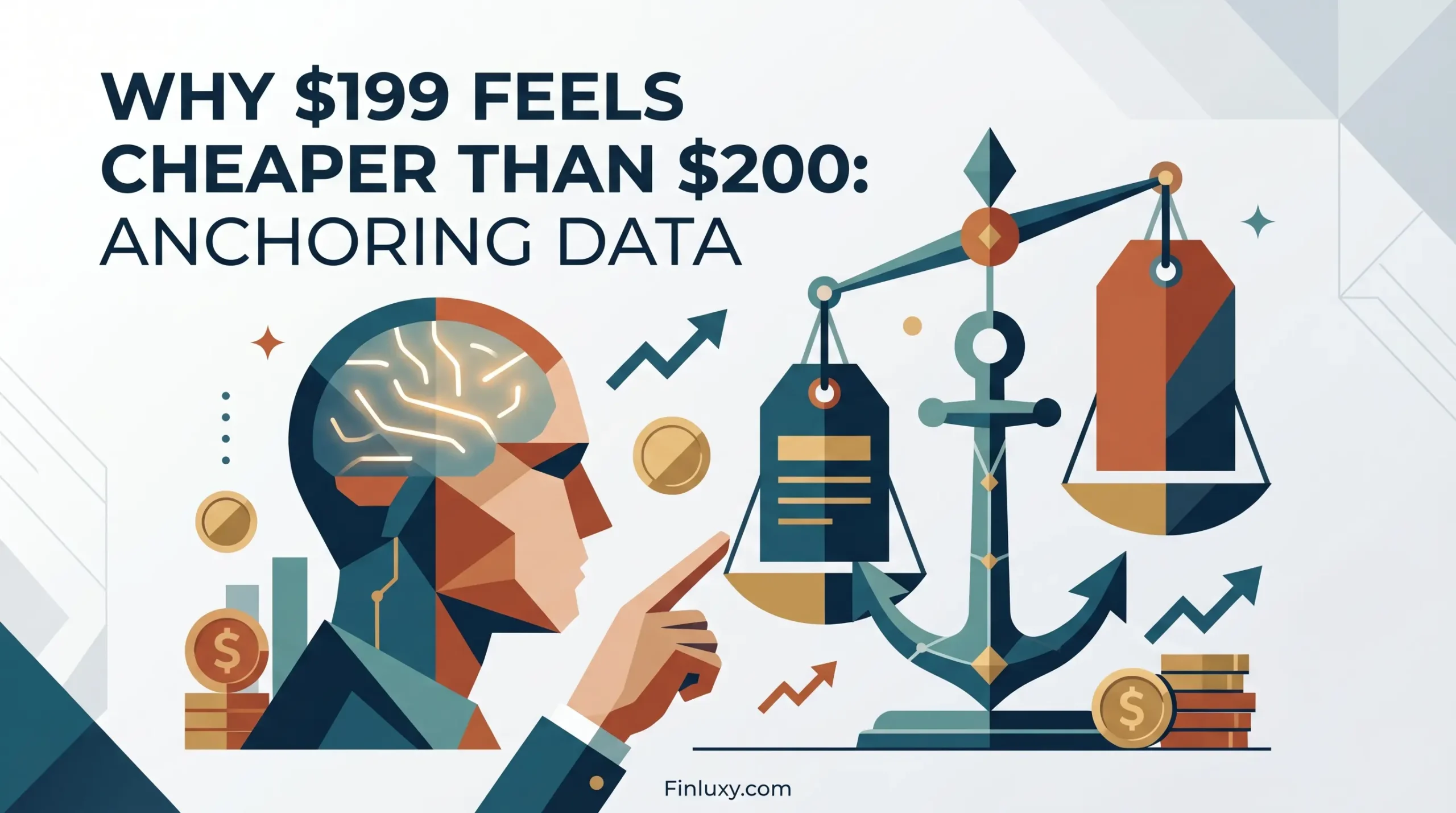
Anchoring is the most powerful and most widely used technique. The first price a buyer sees becomes the reference point against which all subsequent prices are evaluated — which is why luxury car dealers show you the fully loaded version first, why real estate listings emphasize the original asking price before the reduction, and why restaurant menus feature an expensive item at the top of the page before the options you’re more likely to order. The anchor has no rational relationship to the fair value of the item; it simply sets the frame within which everything else is evaluated.

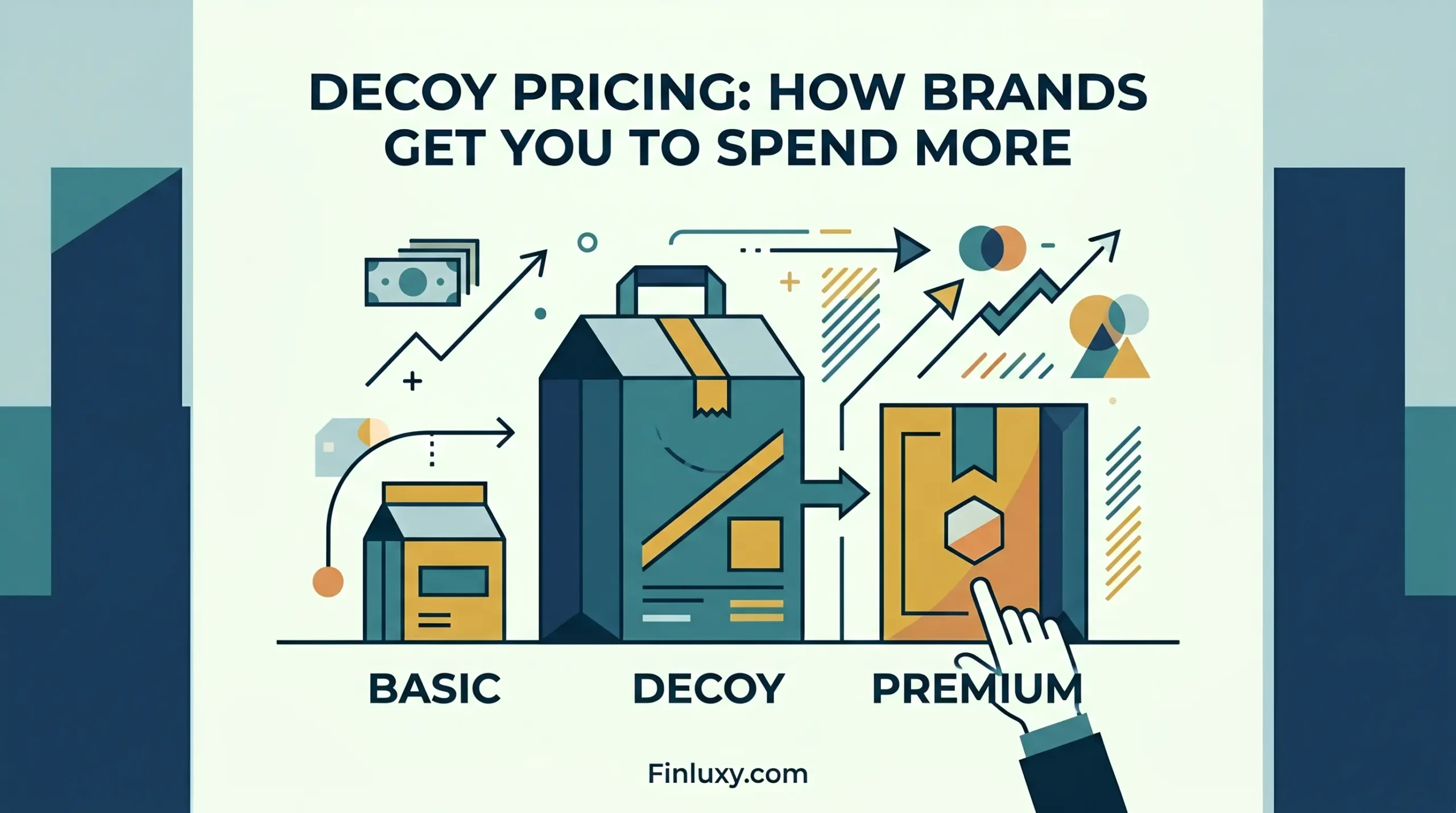
Decoy pricing uses a strategically inferior option to make another option look more attractive by comparison. The classic structure is a three-option menu where the middle option is priced to look like excellent value relative to the premium option, pushing buyers up from the entry-level choice. Subscription pricing almost universally uses this structure. Identifying the decoy — the option designed to make you choose something else — is a useful exercise in any multi-option purchase environment.

Charm pricing ($999 rather than $1,000), artificial scarcity (“only 3 left”), social proof manipulation (“bestseller”), and urgency creation (“offer ends tonight”) are each documented in the behavioral economics literature and present in virtually every consumer purchase environment. For applying these insights to deal evaluation specifically, see deal math. The Smart Spending pillar covers pricing psychology alongside the other frameworks for intentional financial decision-making.

Geometric illustration showing a person weighing purchasing decisions against savings, representing pricing psychology for smart spenders, with Finluxy.com branding.

Pricing Psychology for Smart Spenders: Full Guide

A modern vector illustration showing a geometric human profile with a brain pointing at scales of justice with an anchor base and price tags.

Why $199 Feels Cheaper Than $200: Anchoring Data

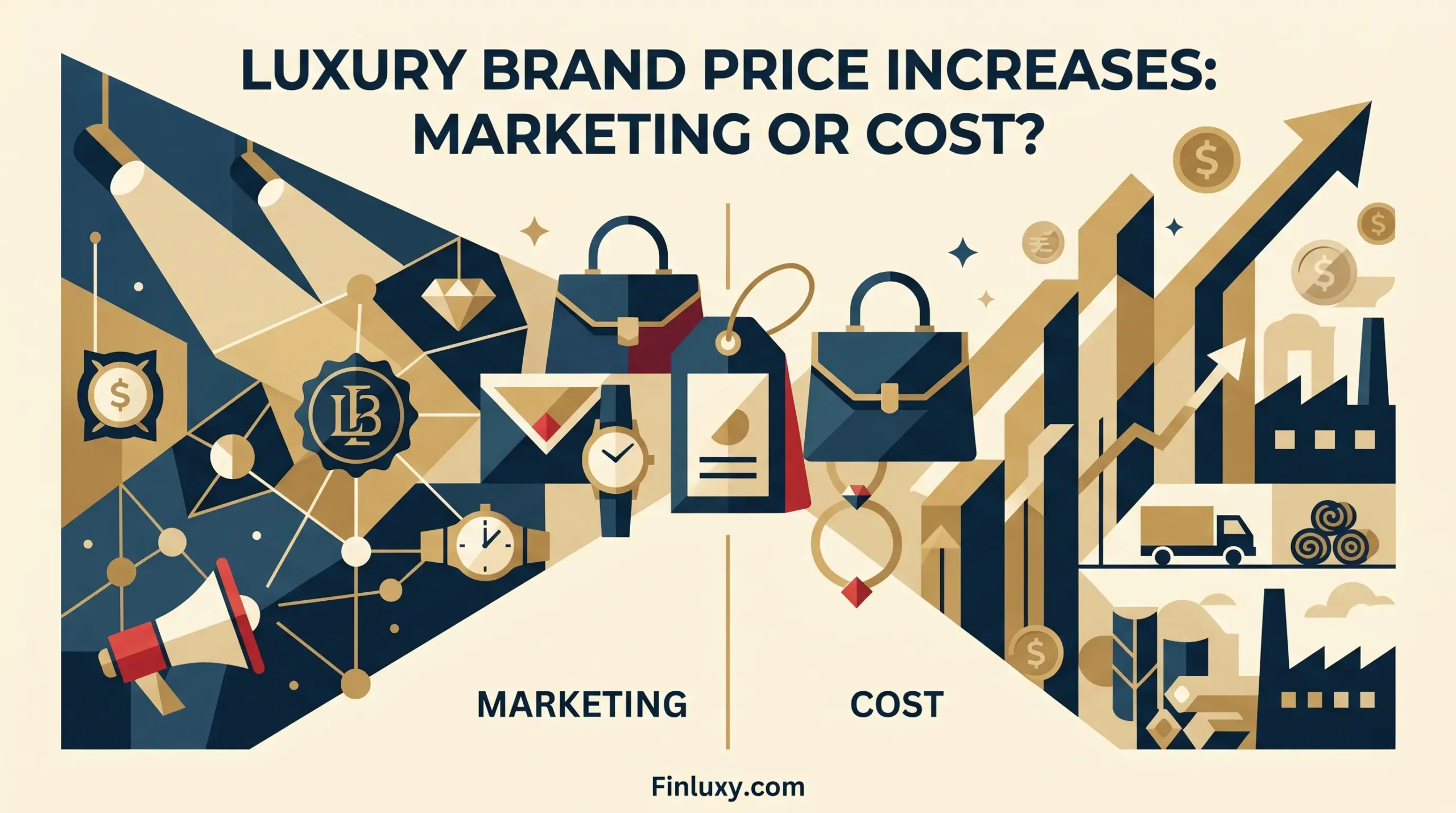
Modern geometric vector illustration contrasting luxury shopping bags and accessories with marketing megaphones and factory production costs.

Luxury Brand Price Increases: Marketing or Cost?

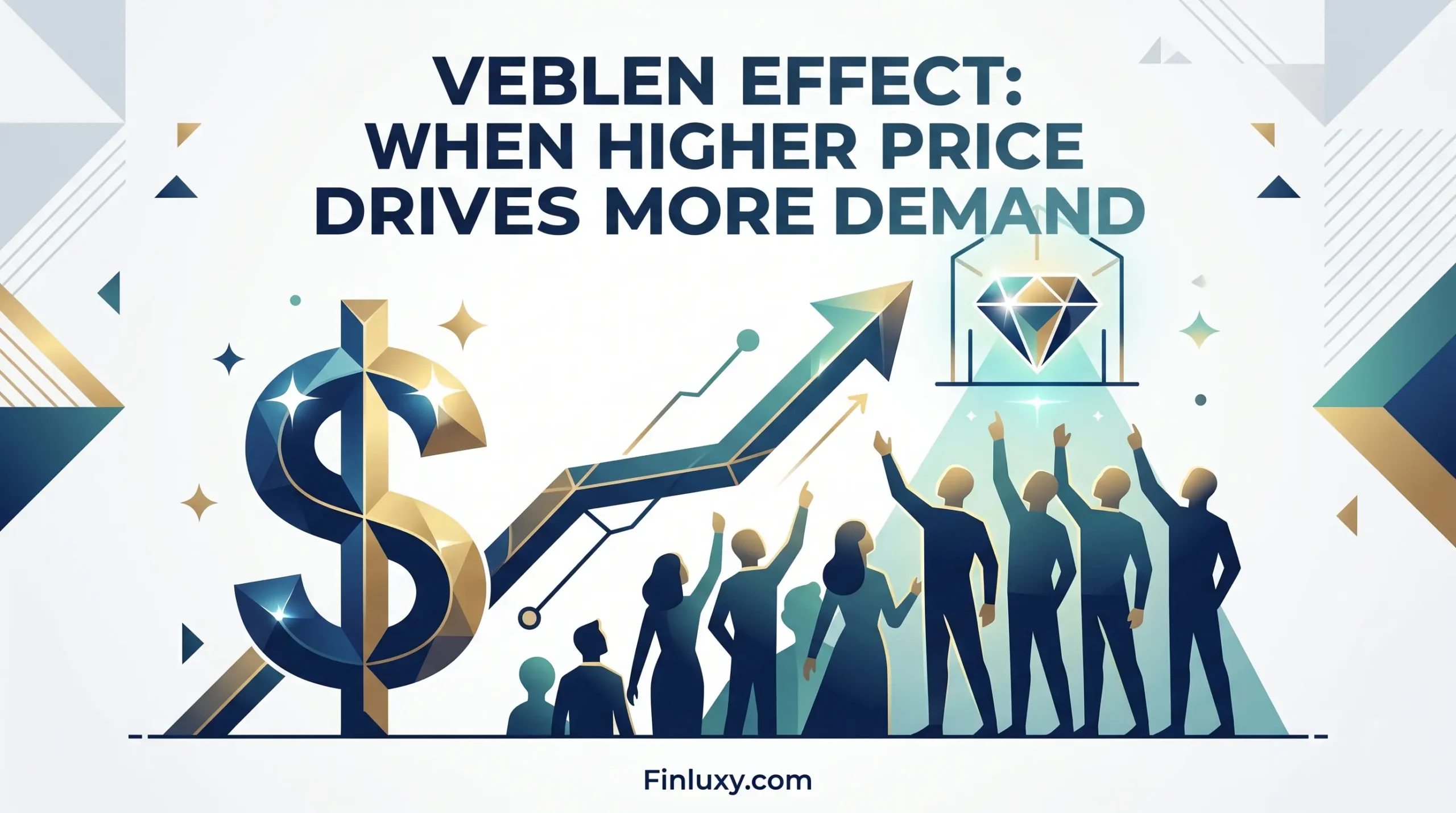
Minimalist geometric vector illustration showing a luxury diamond and a rising trend arrow, representing the Veblen effect.

Veblen Effect: When Higher Price Drives More Demand

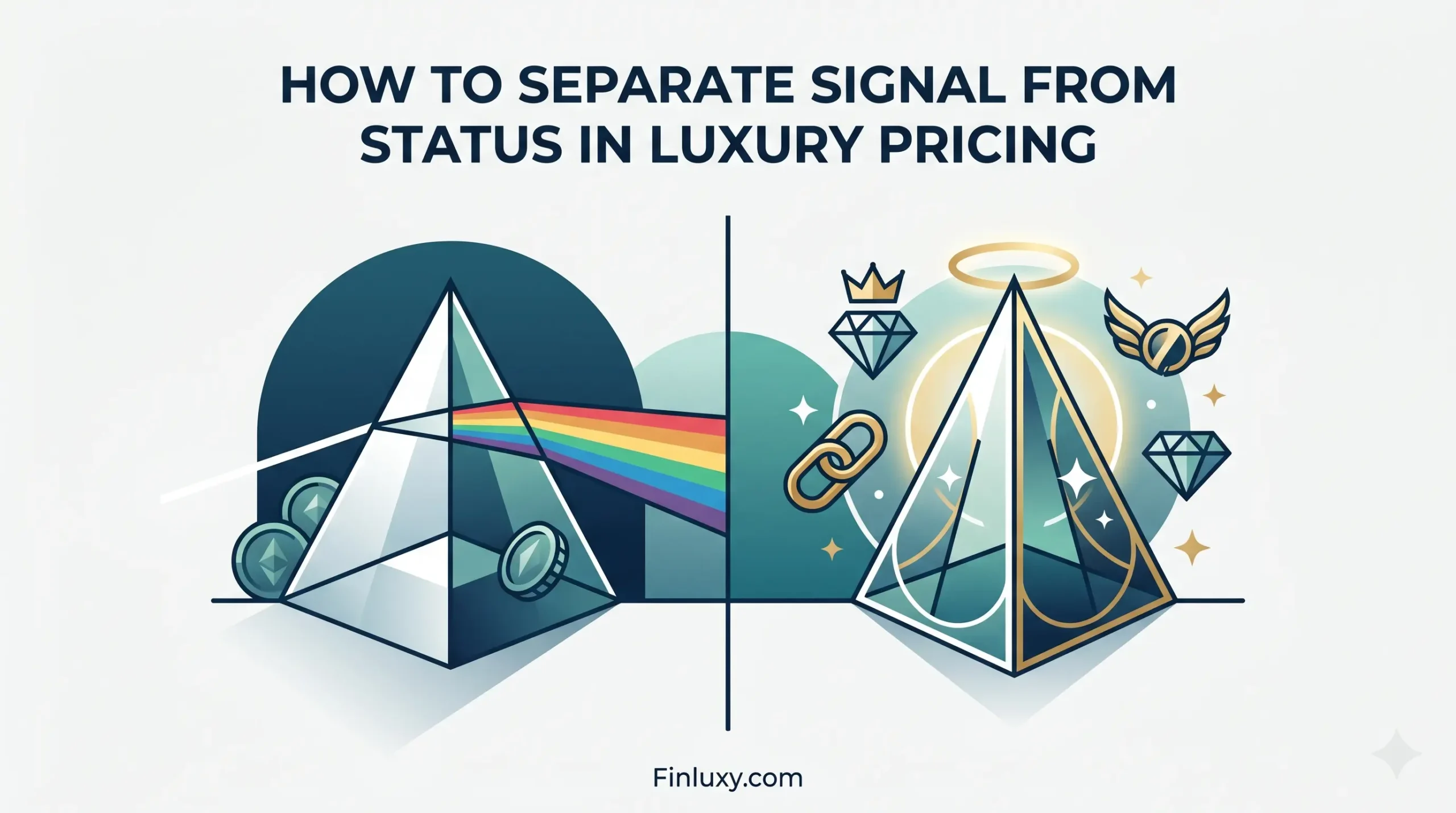
A split geometric illustration comparing a factual prism rainbow signal on the left with luxury status symbols like diamonds and crowns on the right.

How to Separate Signal from Status in Luxury Pricing

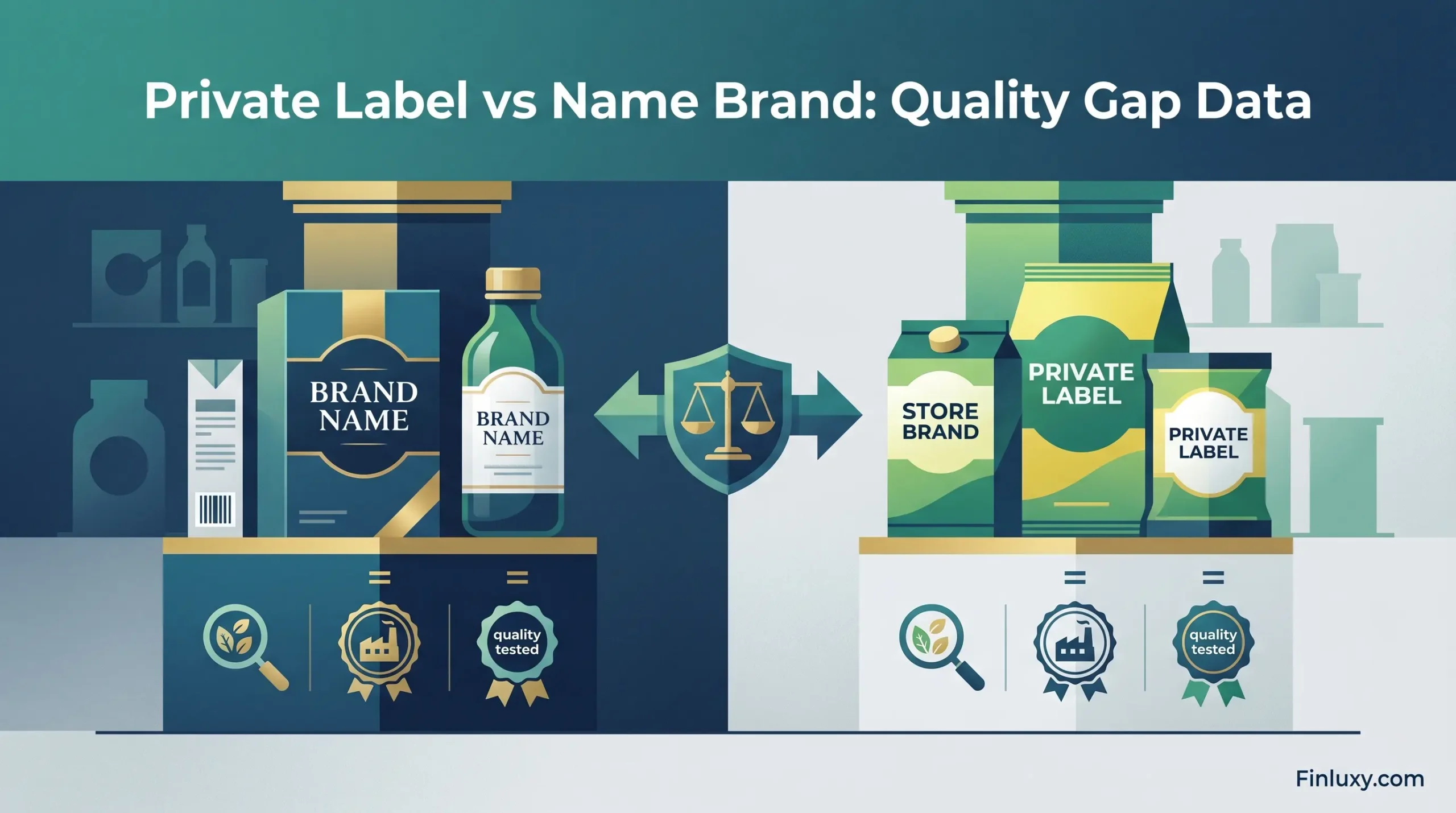
A geometric illustration comparing brand name and private label products with a headline and quality icons.

Private Label vs Name Brand: Quality Gap Data

A geometric illustration contrasting a recurring subscription model (arrows, calendar) against a decisive, one-time purchase decision. Finluxy.com.

Subscription vs One-Time Purchase: Psychology of Each

Geometric illustration showing three product options labeled basic, decoy, and premium, demonstrating decoy pricing strategies.

Decoy Pricing: How Brands Get You to Spend More

Geometric vector illustration of a man looking up at a complex maze of dollar signs and arrows leading to an airplane.

Airline Pricing Psychology: Why Fares Feel Arbitrary

A geometric vector illustration of a restaurant menu with data patterns and money symbols for a Finluxy blog.

Menu Design and Restaurant Pricing: What Data Shows

  • About
  • Privacy Policy
  • Editorial Policy
  • Disclaimer
  • Affiliate Disclosure
  • Terms of Use
  • Contact
© 2026 Finluxy. All Rights Reserved.