Business Taxes
Business taxes offer high earners one of the most expansive sets of legal tax reduction strategies available — but the optimization requires getting entity structure, accounting, and compensation decisions right from the beginning. The difference between a well-structured business tax strategy and a poorly structured one can easily reach $50,000–$200,000 annually in tax savings for a profitable business, making this one of the highest-return areas of professional tax advice for entrepreneurs and business owners.
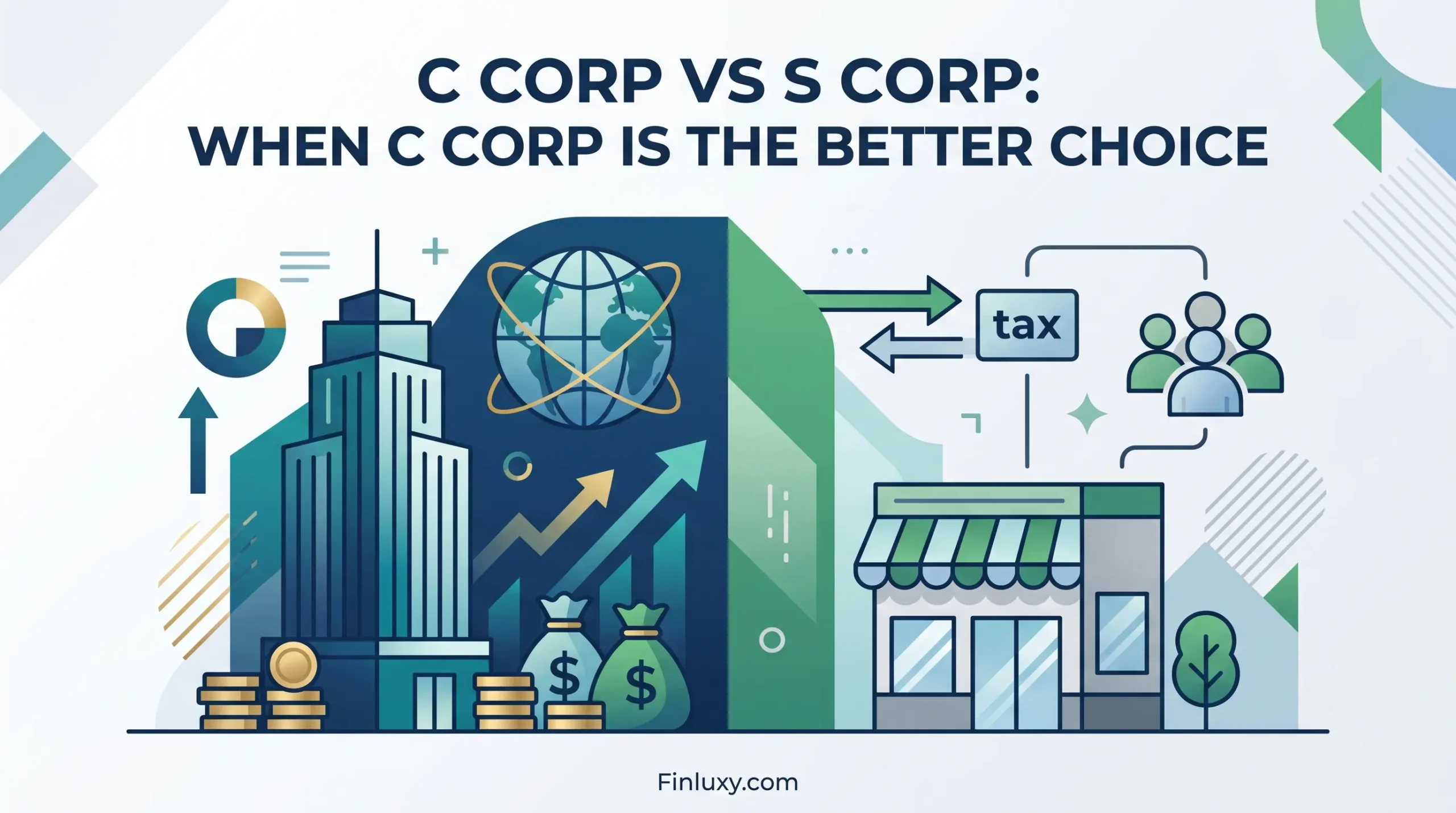
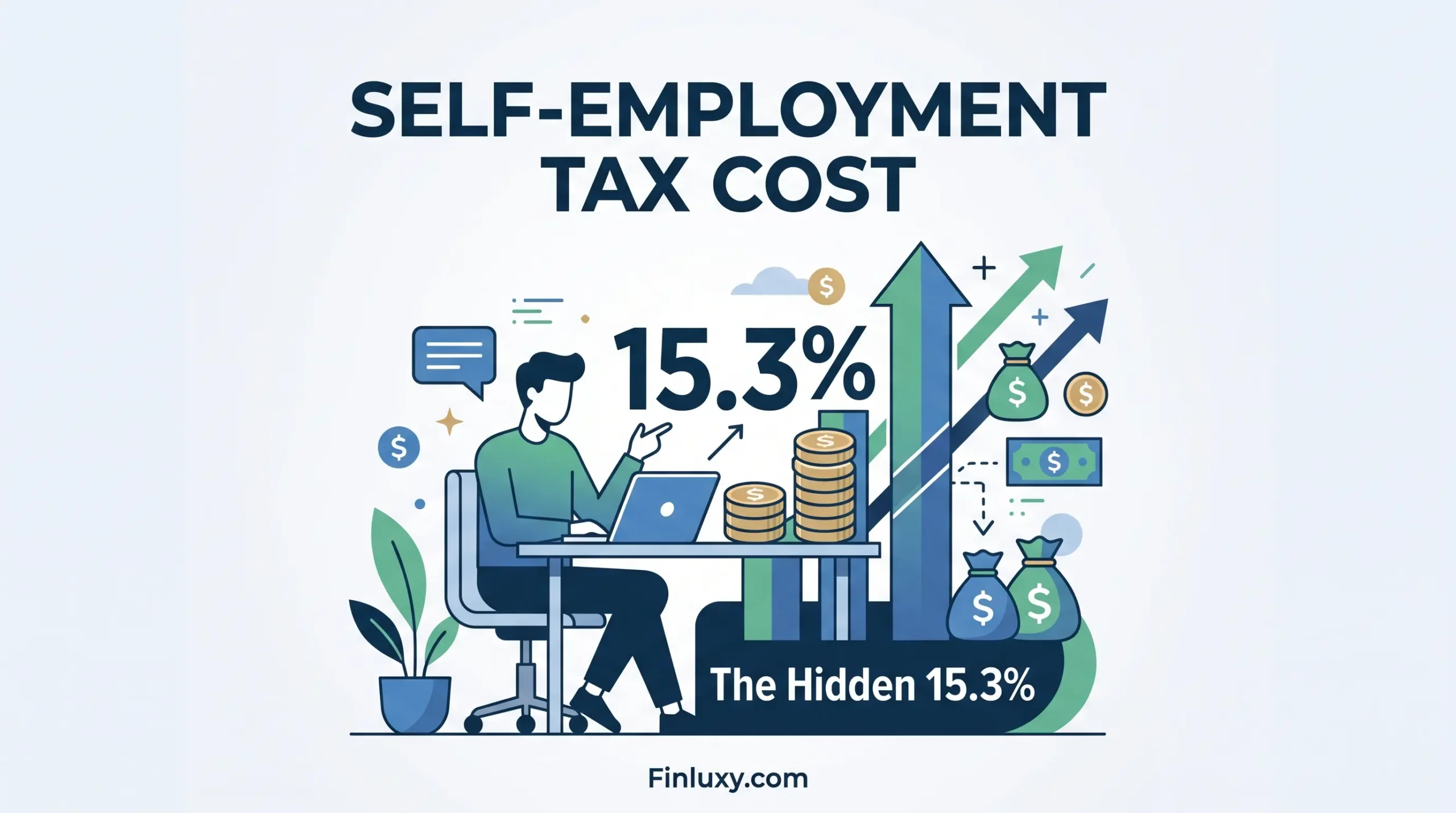
Entity selection is the foundational decision. A sole proprietorship or single-member LLC with default tax treatment pays self-employment tax (15.3% on the first $168,600 of net income, 2.9% above that) on all business profit. An S-Corporation splits profit into a reasonable owner salary (subject to payroll taxes) and a distribution (not subject to self-employment tax), which can generate meaningful payroll tax savings at high income levels. A business owner earning $400,000 in net profit who takes a $150,000 salary saves the 2.9% self-employment tax rate on approximately $250,000 — roughly $7,250 annually — plus the 0.9% Additional Medicare Tax on the same amount. The S-Corp adds administrative cost and complexity, so the break-even analysis typically favors conversion once net profit consistently exceeds $75,000–$100,000.
Business deductions available to owners include home office deductions (for dedicated business use space), vehicle expenses (actual cost or standard mileage rate for business use), health insurance premiums (deductible above the line for self-employed), retirement contributions (SEP-IRA or Solo 401k), and business-related meals (50% deductible), travel, and equipment (Section 179 expensing). The combination of these deductions, properly documented, can significantly reduce net taxable business income.
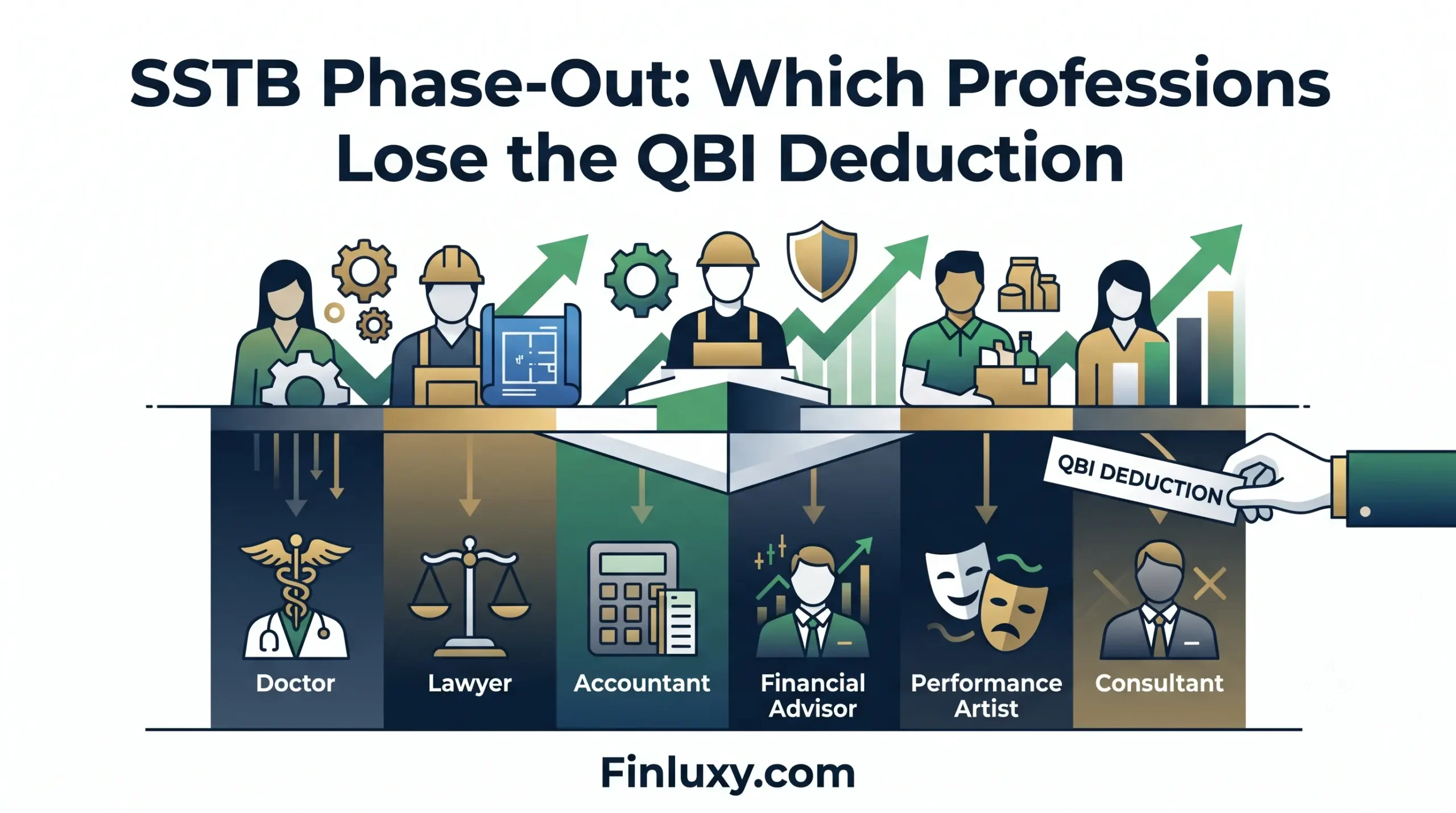
The Qualified Business Income (QBI) deduction — up to 20% of qualified business income for pass-through entities — applies to many business structures below certain income thresholds, with limitations for “specified service trades or businesses” (law, medicine, consulting, financial services) above those thresholds. For retirement account strategies available to business owners, see retirement accounts. The Tax & Wealth pillar covers business taxes as part of the complete high-income tax strategy framework.