Capital Gains
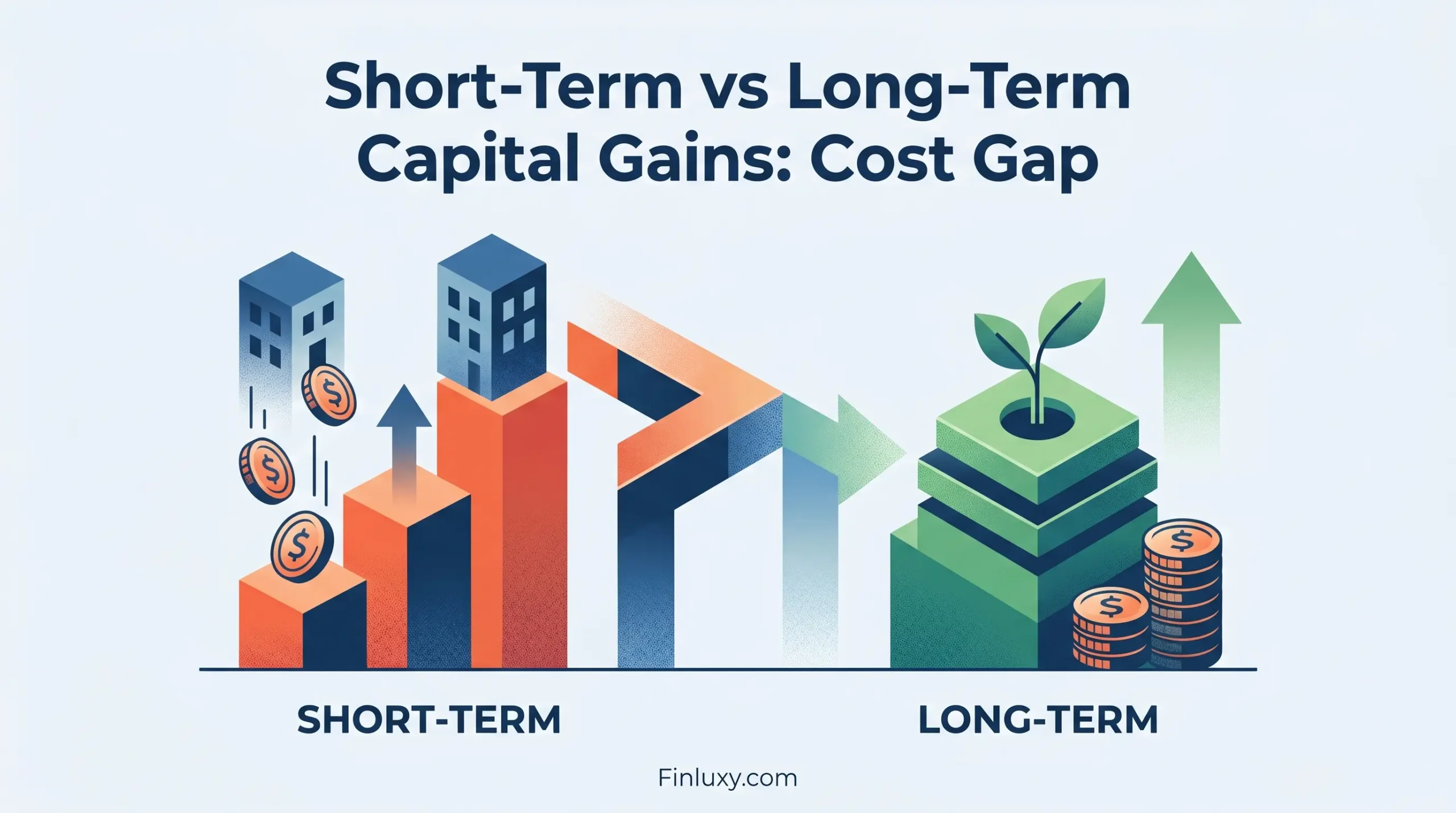
Capital gains tax is one of the areas where high earners have the most meaningful levers to pull — not because the rules are complicated, but because the timing and structure of how gains are realized makes a substantial difference in after-tax outcomes. The fundamental principle is that long-term capital gains (assets held more than one year) are taxed at preferential rates compared to ordinary income, and structuring investment activity to maximize long-term treatment is a foundational element of high-income tax planning.
Federal long-term capital gains rates for 2024: 0% on gains for taxpayers with taxable income below $94,050 (MFJ); 15% between $94,050 and $583,750 (MFJ); 20% above $583,750. Add the 3.8% Net Investment Income Tax that applies above $250,000 (MFJ), and the effective federal rate on long-term capital gains for high earners reaches 23.8%. State capital gains taxes layer on top — California taxes capital gains as ordinary income at up to 13.3%, bringing the combined marginal rate on long-term gains for California high earners to approximately 37%.
Tax-loss harvesting — realizing investment losses to offset gains — is the most widely used capital gains management strategy. In a volatile year, a taxable investment portfolio can generate substantial losses for harvest while maintaining market exposure through replacement securities (observing the 30-day wash sale rule). At a 23.8% federal rate, $50,000 in harvested losses generates approximately $11,900 in federal tax savings. Donor-advised fund contributions of appreciated securities bypass capital gains entirely — covered in deductions.
For equity compensation where the gain character (ordinary income vs. capital gain) depends on holding period and exercise decisions, the specific analysis lives in equity & comp. The interaction between capital gains and overall tax strategy is part of the broader Tax & Wealth pillar coverage.