Estate Planning
Estate planning is the financial task that most high earners know they should address and consistently defer — sometimes with significant consequences for their families. The complexity of estate law, the discomfort of engaging with mortality, and the cost of quality legal counsel combine to create widespread procrastination in a category where the cost of inaction can be substantial. The foundational documents — will, durable power of attorney, healthcare directive, and potentially a revocable living trust — are achievable for most households in a single engagement with an estate planning attorney.
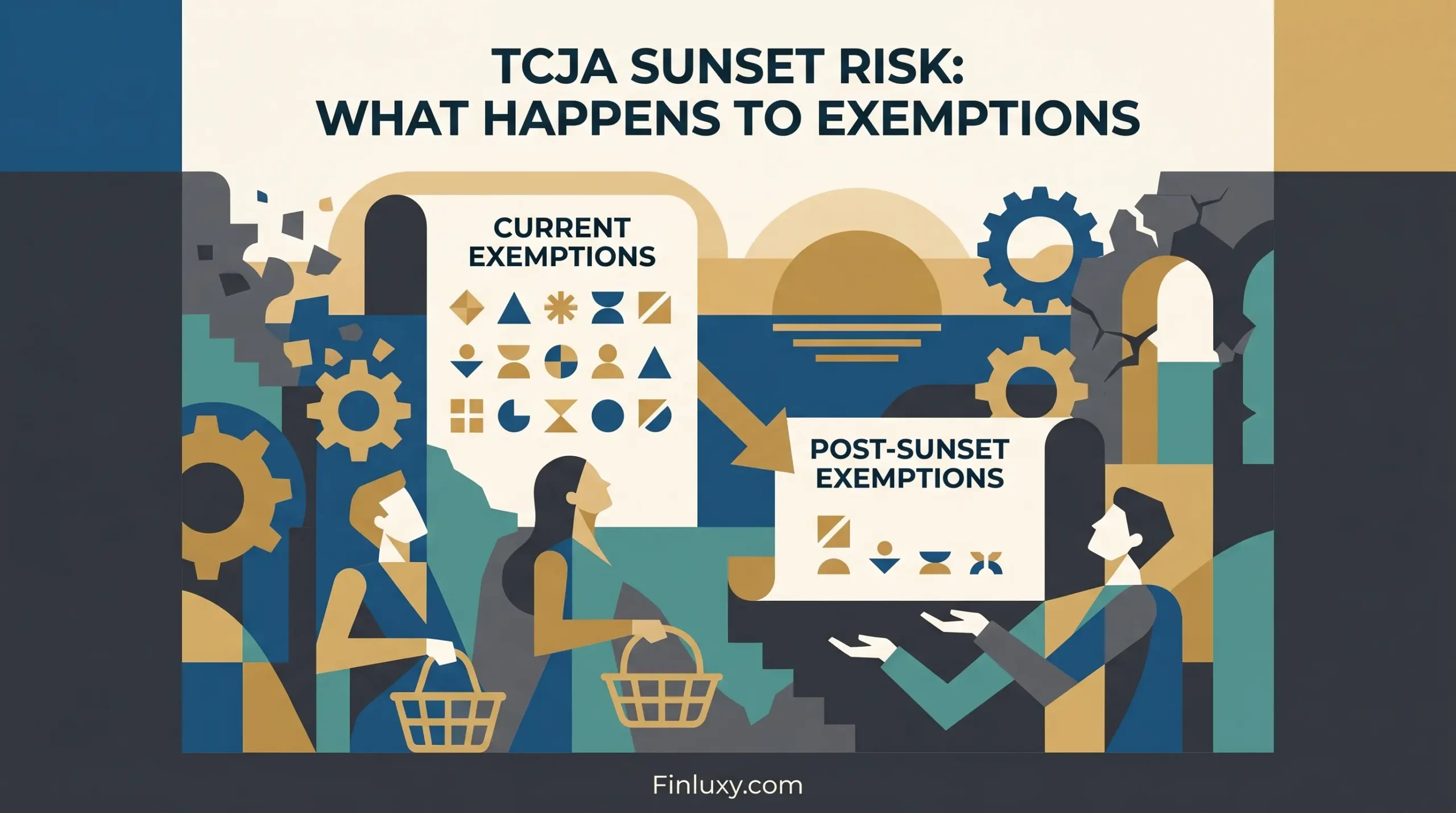
The federal estate tax exemption in 2024 is $13.61 million per individual ($27.22 million for a married couple using portability). Estates below these thresholds pass to heirs free of federal estate tax. The critical planning note: these exemptions are scheduled to revert to approximately $6–7 million per individual (inflation-adjusted) after 2025 when the TCJA provisions expire, absent Congressional action. High-net-worth households whose estates will be within striking distance of the post-2025 thresholds have a limited window to use current elevated exemption amounts through gifting strategies.
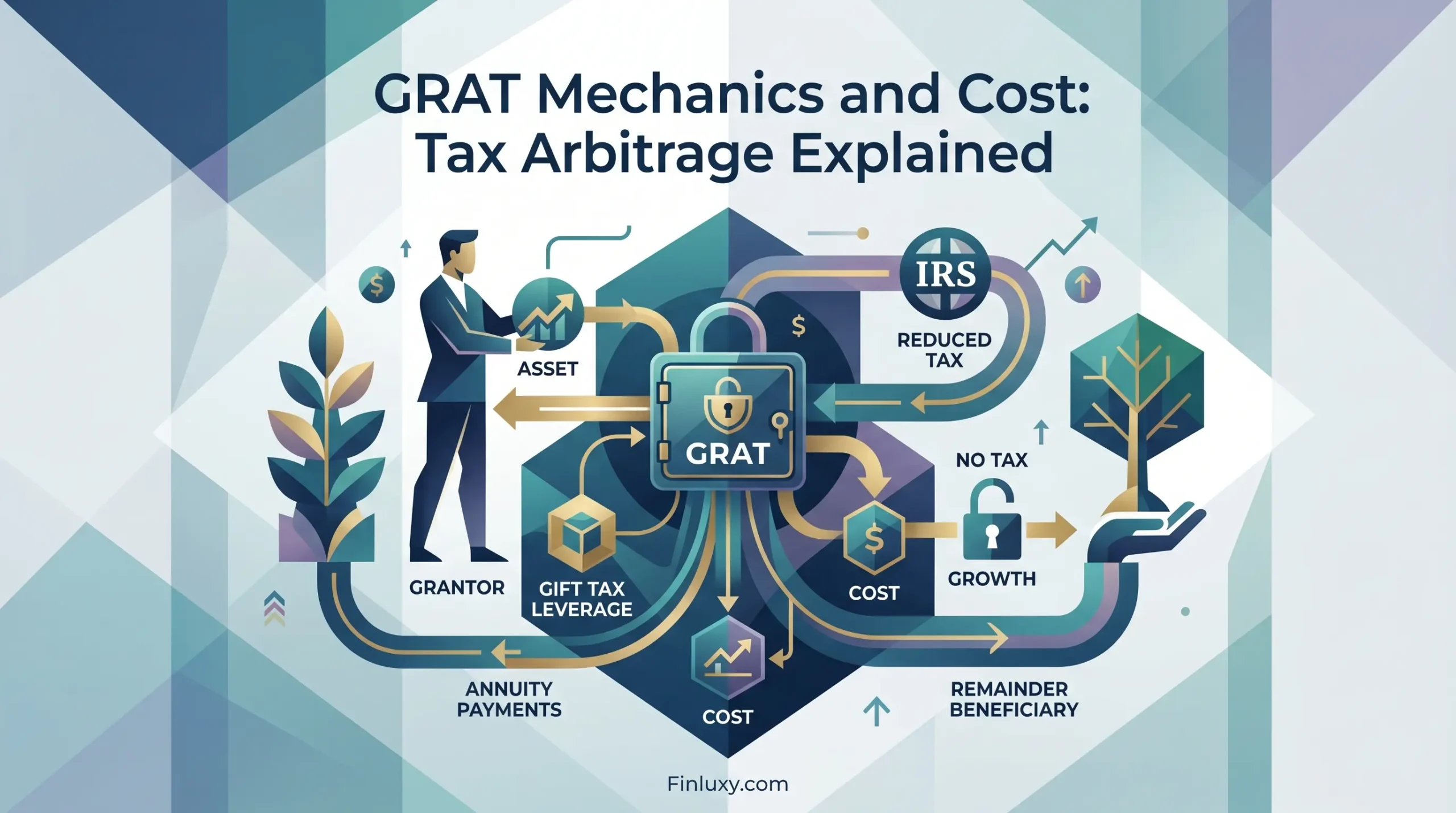
Trusts serve multiple estate planning functions. A revocable living trust avoids probate (saving time, cost, and maintaining privacy) and provides continuity of asset management if the grantor becomes incapacitated. Irrevocable trusts — including SLATs (Spousal Lifetime Access Trusts), GRATs (Granathor Retained Annuity Trusts), and ILITs (Irrevocable Life Insurance Trusts) — are the structures used to transfer assets outside of the taxable estate, sometimes with retained economic benefit to the grantor. These are sophisticated strategies warranting qualified legal counsel.
Annual gifting — $18,000 per recipient in 2024 without gift tax reporting ($36,000 for a married couple) — is the most accessible wealth transfer strategy and compounds significantly over time for households with multiple children and grandchildren. For families with charitable intent, the interaction between estate planning and philanthropy is covered in philanthropy. The Tax & Wealth pillar covers estate planning as part of the complete wealth management picture for high earners.