Elder Care
Elder care is the financial obligation that arrives unplanned for most families and costs far more than anticipated. The spectrum of care — from in-home assistance to memory care facilities — varies enormously in price, quality, and appropriateness for different stages of need. For families managing aging parents’ care, understanding the cost landscape before a crisis moment is one of the most valuable financial planning steps available.
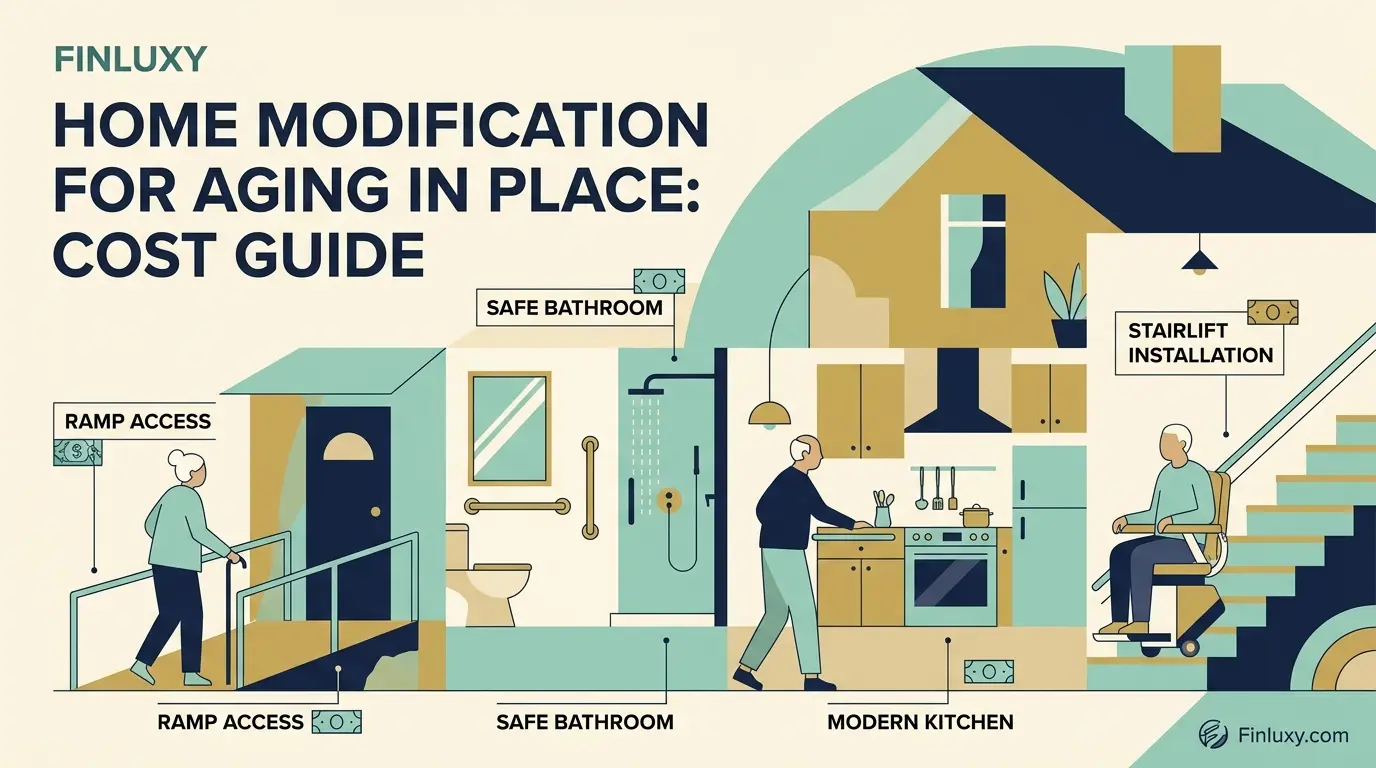
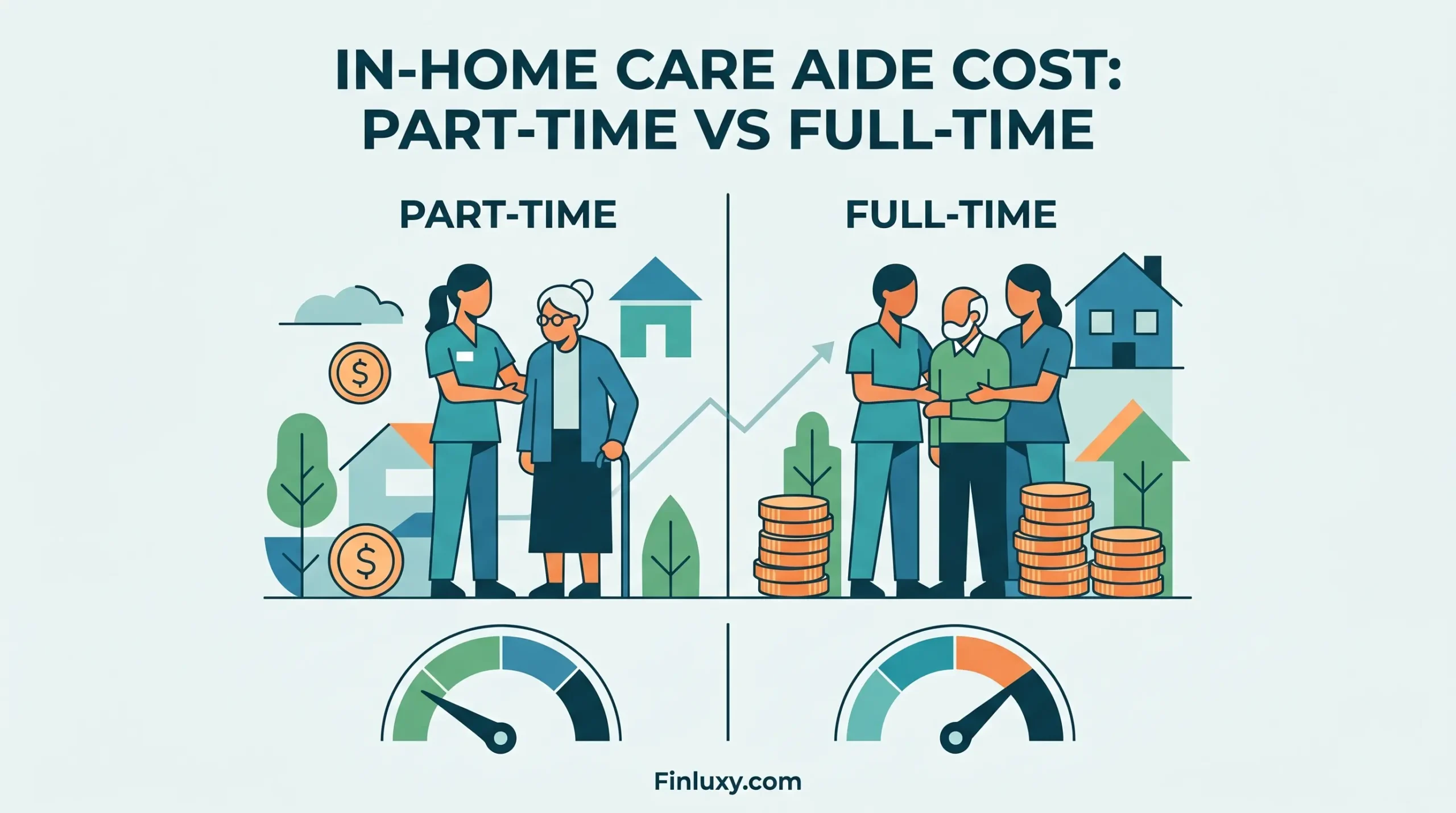
In-home care is the most common starting point. A home health aide providing non-medical assistance — companionship, meal preparation, light housekeeping, medication reminders — costs $25–$35 per hour in most markets. Full-time in-home care, defined as 44 hours per week (the standard for a live-in aide), runs $50,000–$80,000 annually in major metropolitan areas. Skilled nursing care at home — provided by licensed nurses for medical needs — costs significantly more, typically $60–$100 per hour.
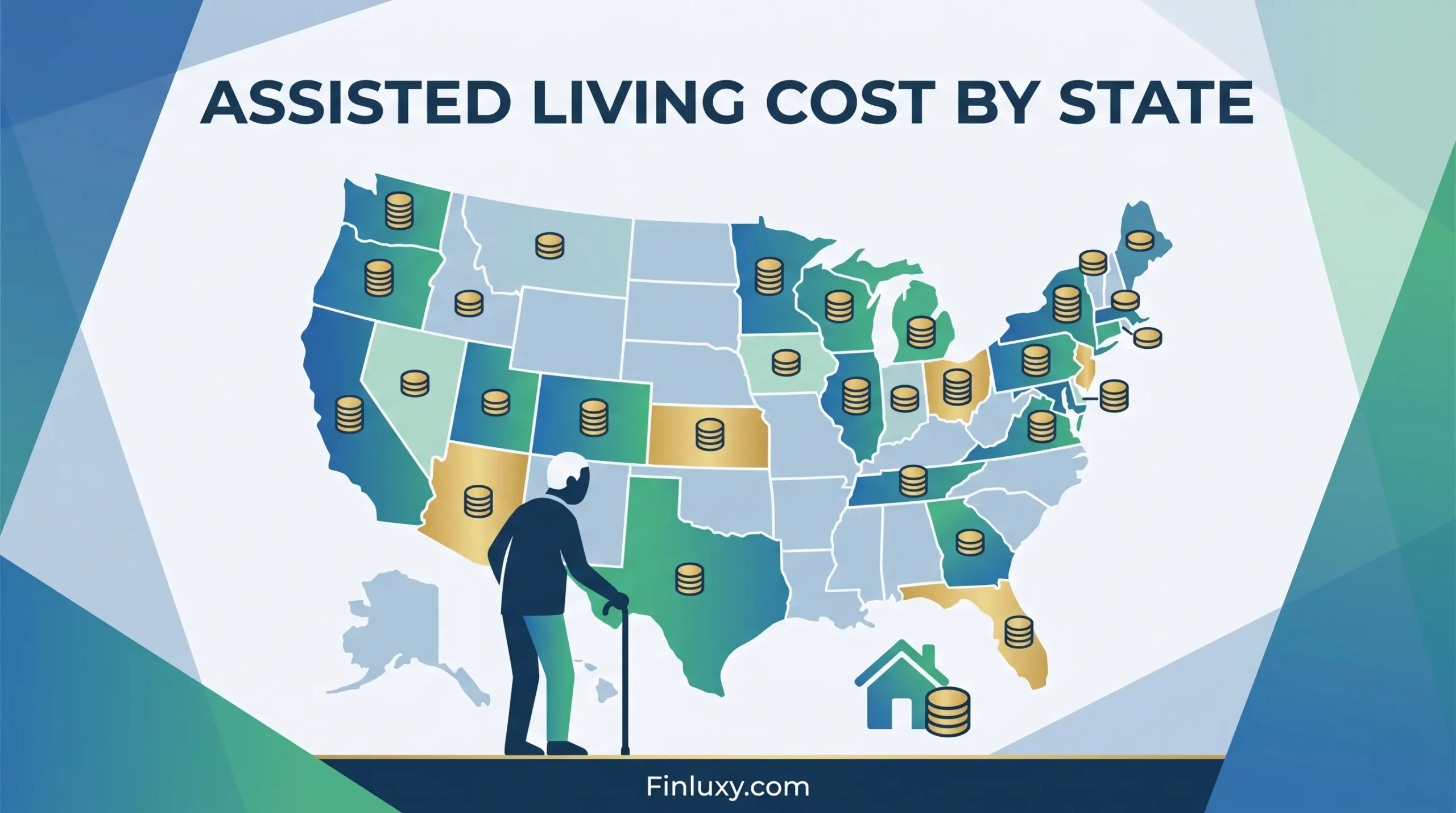
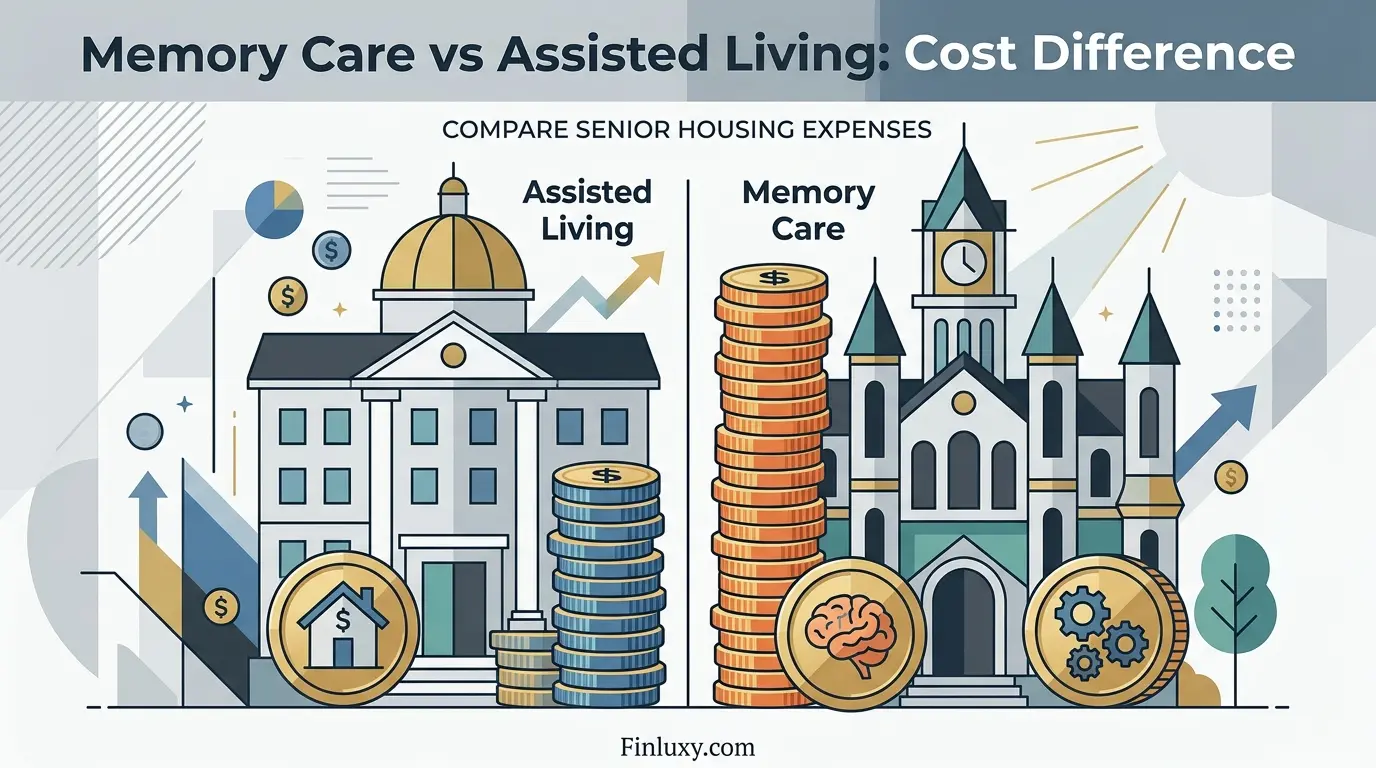
Assisted living facilities for seniors who need regular support but not full nursing care range from $4,000 to $10,000+ per month ($48,000–$120,000 annually) depending on location, facility quality, and the level of services included. Memory care units, which provide specialized environments for dementia and Alzheimer’s patients, run 25–40% more than standard assisted living and can exceed $12,000 per month at premium facilities. Skilled nursing facilities (nursing homes) range from $8,000 to $15,000 per month in major markets.
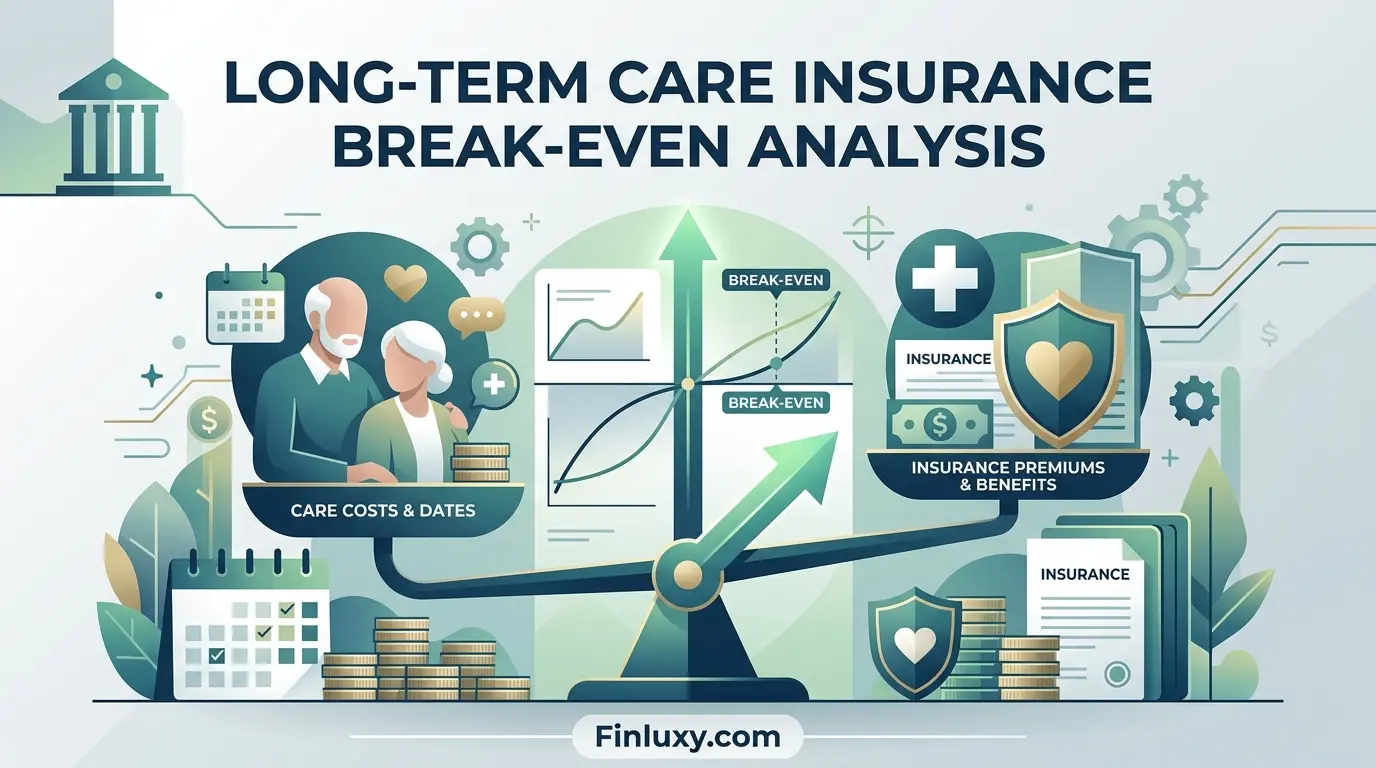
Long-term care insurance, if purchased before health disqualifies a parent from eligibility, can offset these costs significantly — but premiums for policies purchased in a parent’s 60s run $2,000–$5,000 annually per person. The tax and estate planning implications of elder care spending — including the medical deduction for qualifying expenses — are covered in deductions. The Affluent Living pillar covers how elder care fits within the total picture of family financial obligations.