Designer Fashion
Designer fashion sits at an interesting intersection of consumption and, for select categories, investment. Most luxury clothing depreciates to near zero on the secondary market the moment it leaves the store. A small subset — primarily certain handbags — has generated returns that outpaced the S&P 500 over the past decade. Understanding which is which matters significantly for how you think about the spend.
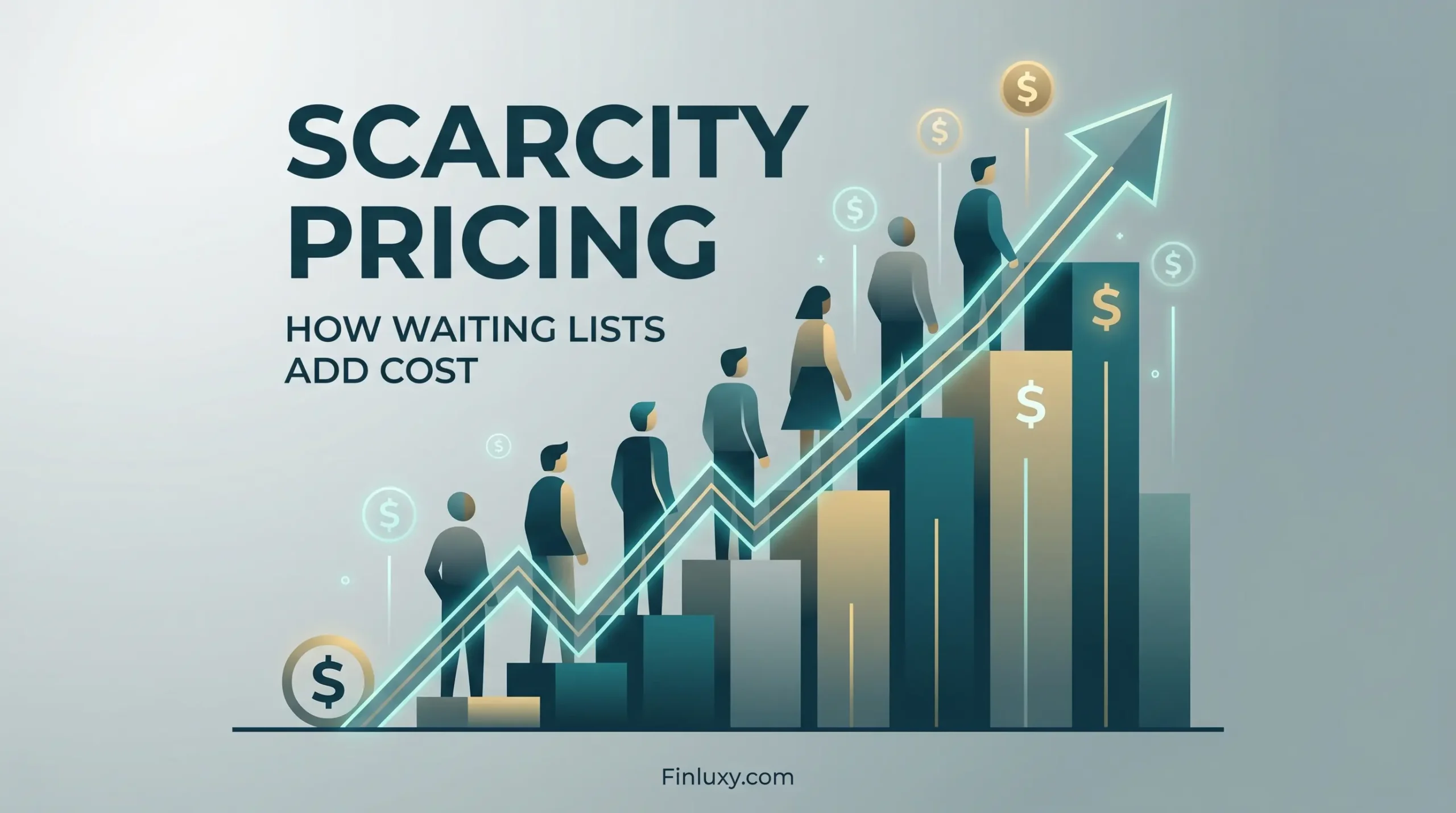
The Hermès Birkin and Kelly bags are the clearest examples of fashion-as-asset. Waitlists measured in years, secondary market premiums of 20–100% above retail, and long-term price appreciation that has averaged 14% annually over the past decade according to handbag index data. But access to retail pricing is itself controlled — Hermès famously allocates these bags based on purchase history with the brand, meaning the entry cost to building an appreciating collection can be significant in its own right.
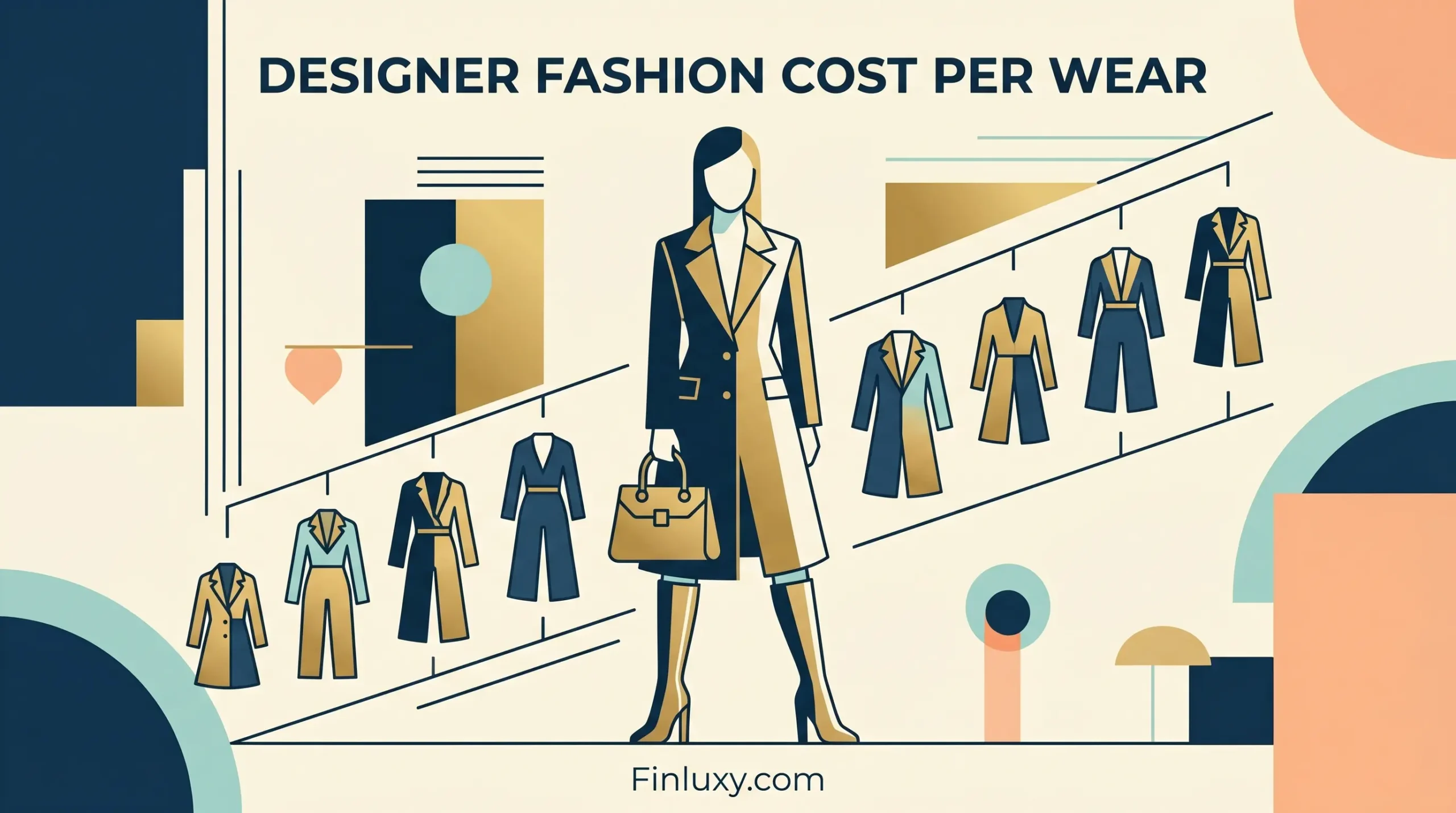
For the broader wardrobe, the annual spending picture for a high-income household that shops regularly at luxury retail can be substantial. Seasonal refreshes across women’s ready-to-wear at Saint Laurent, Celine, or Loro Piana run $3,000–$8,000 per season. Men’s tailoring from Brioni or Kiton runs $5,000–$15,000 per suit. Shoes, accessories, and outerwear layer on top. A household with two active fashion spenders can easily clear $80,000–$150,000 annually without a single statement piece.
For a comparison of how fashion spending compares to other recurring luxury line items, luxury travel and fine dining tend to run on similar annual scales for high-income households. The Luxury Spending pillar tracks all three alongside watches, art, and other categories where the spend is often underestimated.