Freelance Tax
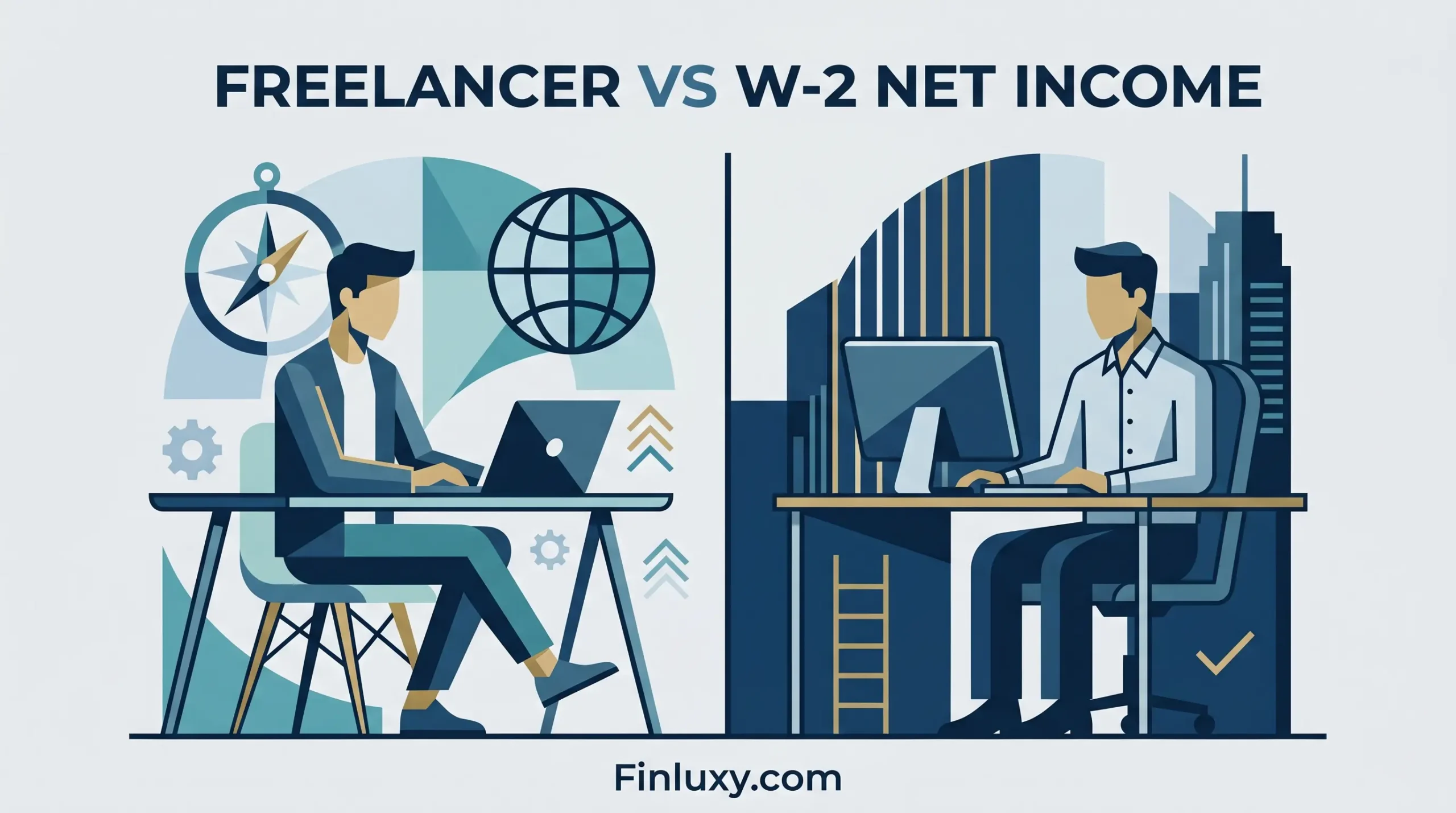
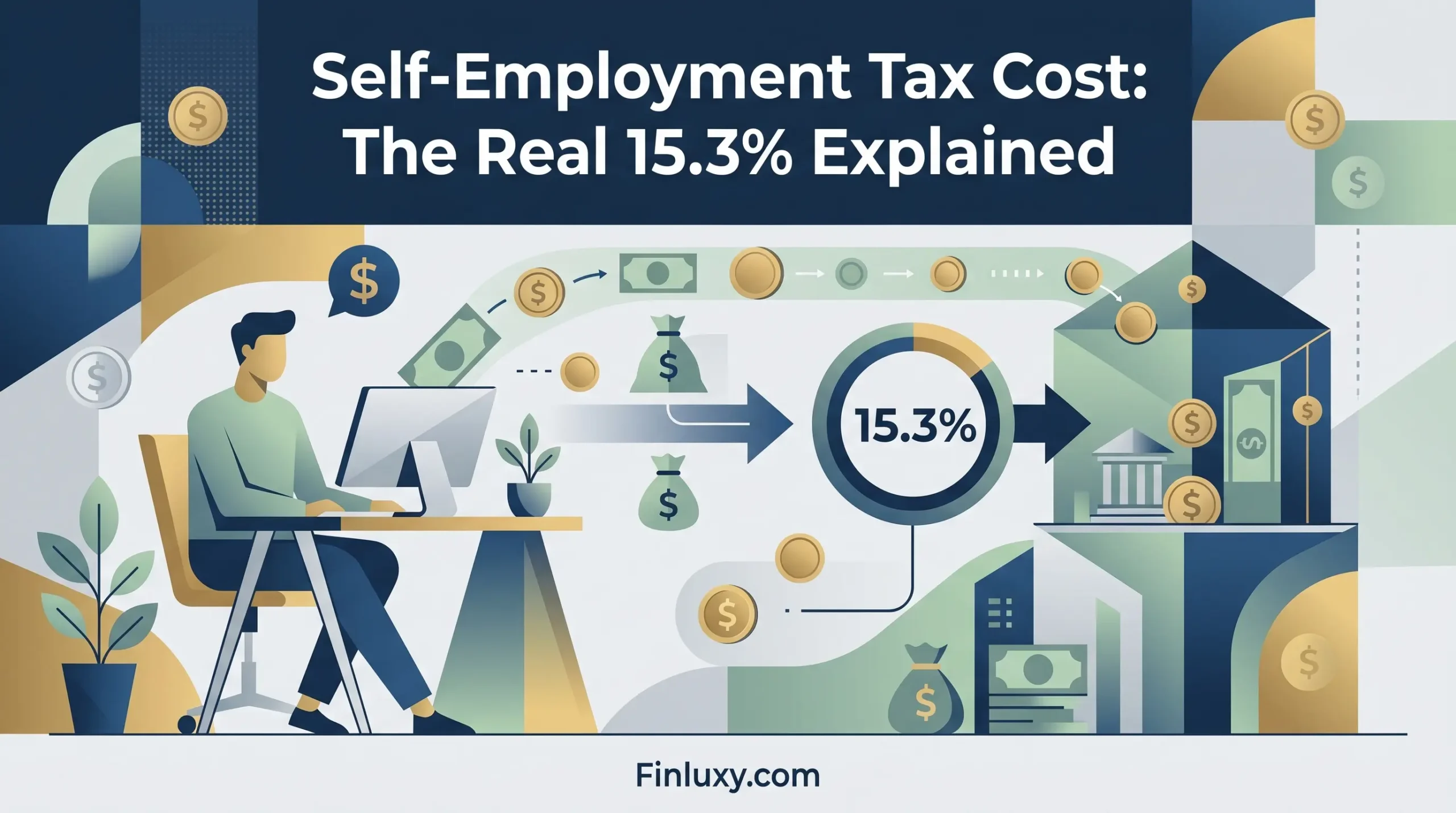
Freelance and self-employment income is taxed differently from W-2 wages in ways that create both additional obligations and genuine opportunities. The additional obligation is self-employment tax — the combined employer and employee share of Social Security and Medicare taxes, totaling 15.3% on the first $168,600 of net self-employment income and 2.9% above that. The opportunity is a significantly broader deduction landscape that can offset a meaningful portion of that additional tax burden when managed correctly.
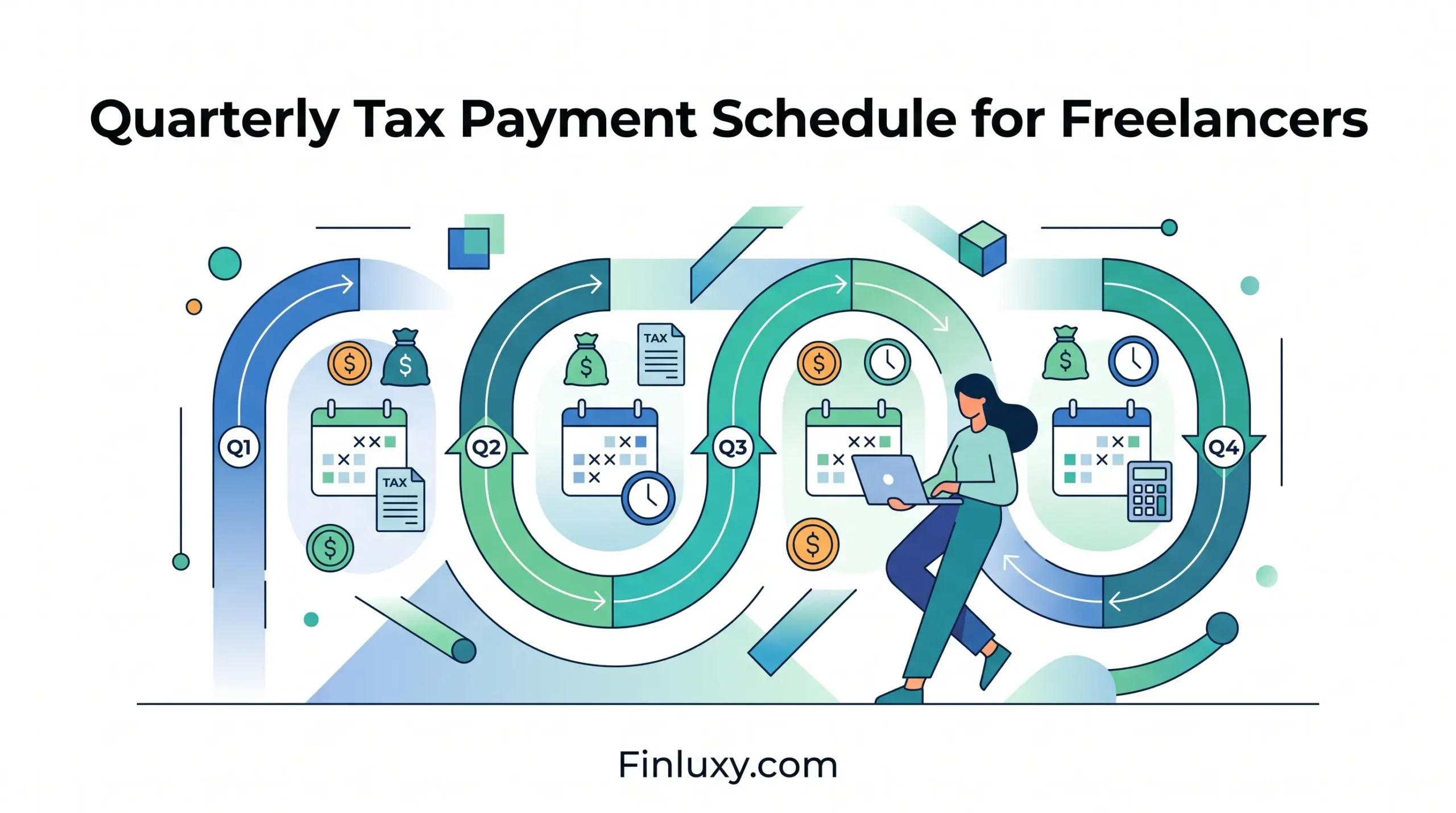
Quarterly estimated tax payments are the compliance obligation that most new freelancers discover late — typically after receiving a penalty notice. The IRS requires quarterly tax payments if you expect to owe more than $1,000 in tax for the year. The safe harbor is paying either 100% of last year’s tax liability (110% for those with AGI above $150,000) or 90% of the current year’s liability across four quarterly payments due April 15, June 15, September 15, and January 15. Missing or underpaying these generates a penalty calculated at the current short-term federal rate — manageable in amount but avoidable with a calendar reminder and a basic payment calculation.
The deduction landscape for self-employed individuals is substantially richer than for W-2 employees. Health insurance premiums are deductible above the line for the self-employed — a significant benefit that W-2 employees receive only through employer plans. Half of self-employment tax is deductible. Home office deduction applies for dedicated business use space. Business equipment, software, travel, and professional development are deductible subject to ordinary and necessary business expense rules. Retirement contributions via SEP-IRA or Solo 401(k) can shelter up to $69,000 annually, providing both a tax reduction and an accelerated savings vehicle.
The entity structure decision — sole proprietorship vs. LLC vs. S-Corporation — affects how self-employment tax is calculated and has implications covered in depth in business taxes. For the full income picture that freelance income creates, see take-home pay. The Income Reality pillar covers freelance taxation alongside the other structural dimensions of how income is earned and taxed.