Car Ownership
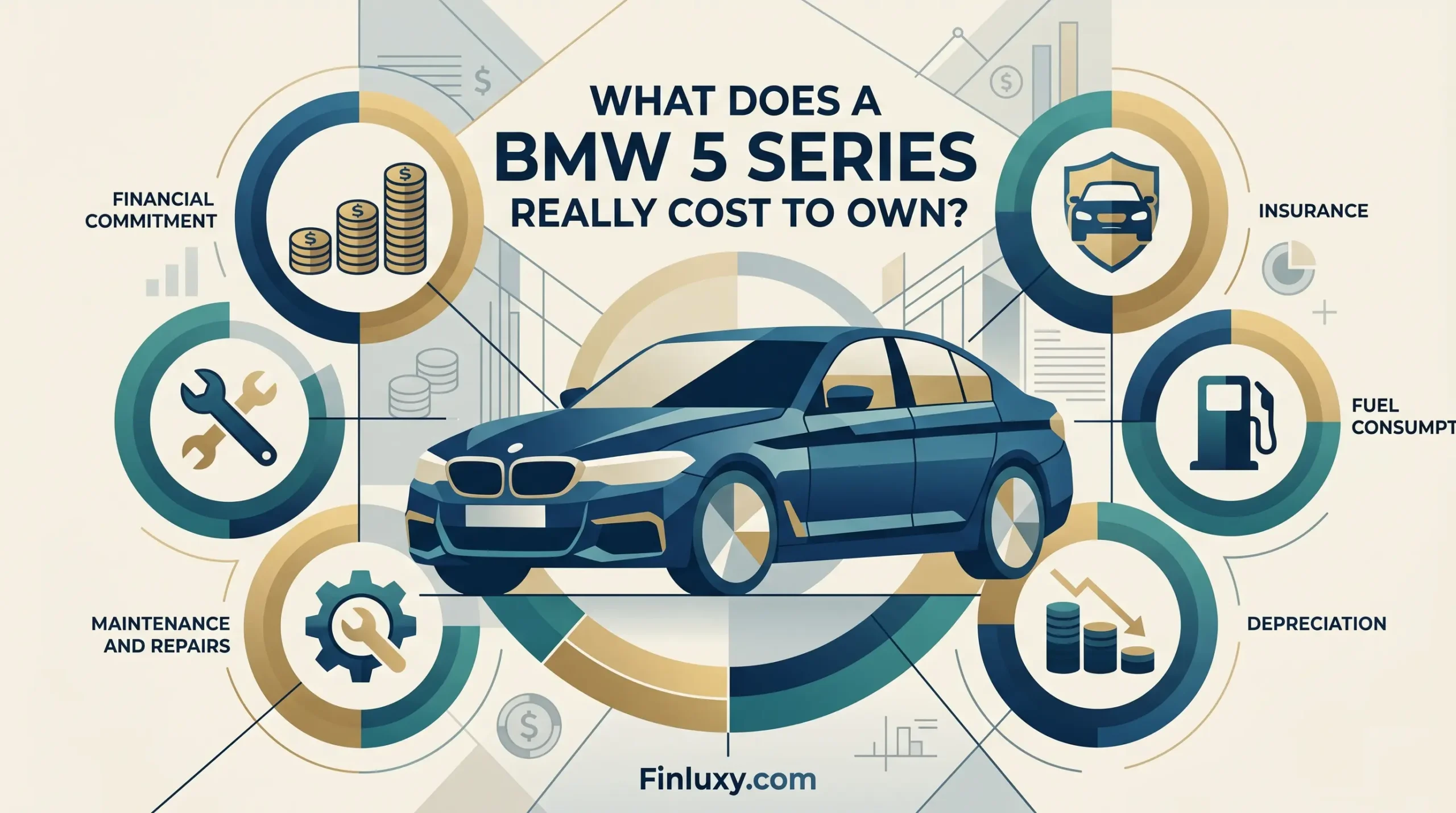
Owning a car is one of the largest recurring expenses in a high-income household — yet most people calculate it wrong. The sticker price is just the entry point. What you actually pay over five years includes financing costs, insurance, maintenance, registration, fuel, and the depreciation curve that starts the moment you drive off the lot. For luxury vehicles, each of these line items scales up faster than most buyers expect.
A $90,000 SUV with a 72-month loan at current rates can cost over $130,000 all-in by the time you factor interest alone — before a single oil change. Add comprehensive insurance for a high-value vehicle (which carries its own cost structure, covered in auto insurance) and annual maintenance for German or Italian marques that routinely runs $2,000–$5,000 out of warranty, and the monthly reality looks very different from the monthly payment.
Depreciation is the silent killer. Most luxury sedans lose 40–60% of their value in the first three years — the full breakdown lives in car depreciation. If you’re already thinking about the next car, resale value is worth reading before you choose the trim level on this one. Certain colors, packages, and brands hold value in ways that aren’t obvious at the point of sale.
For buyers weighing ownership against alternatives, the buy vs. lease calculation is covered separately under buy vs. lease. This cluster focuses on what ownership truly costs once you’ve made that call — so the number in your head matches the number leaving your account.
Part of the broader Luxury Spending pillar, car ownership sits at the intersection of lifestyle and financial planning — an area where small assumptions made upfront create large surprises down the road.